ED Experience
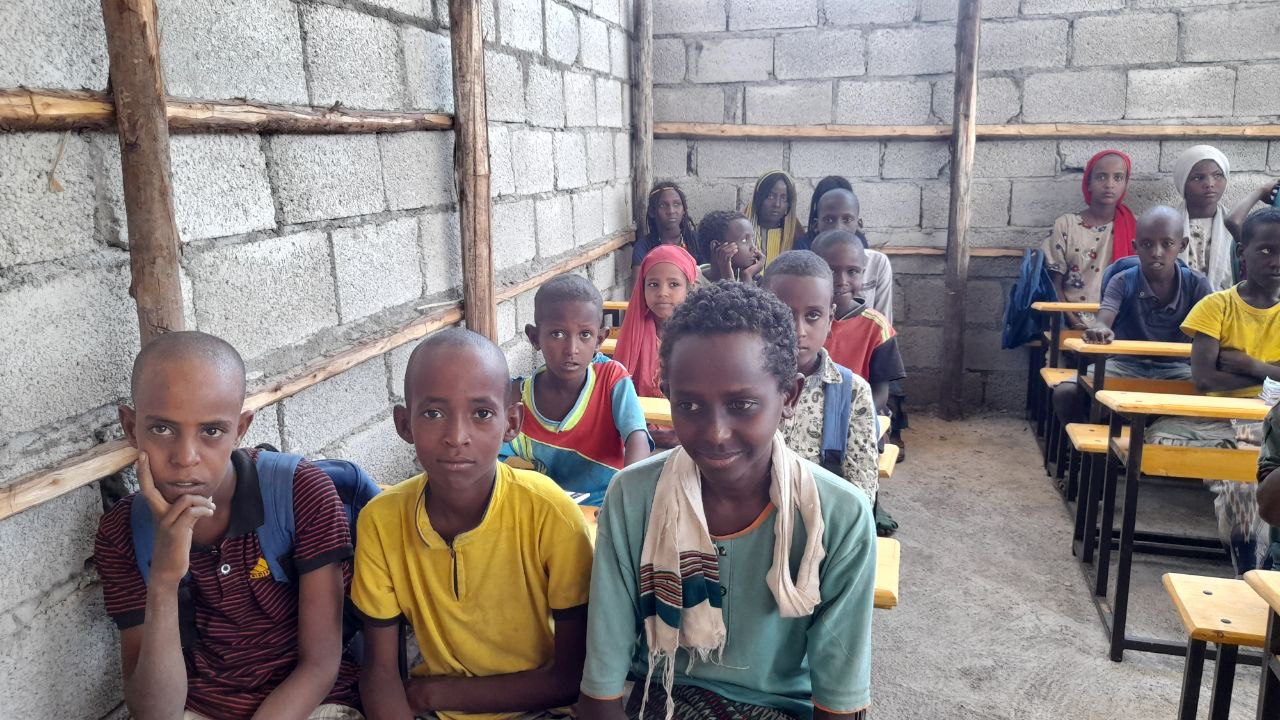
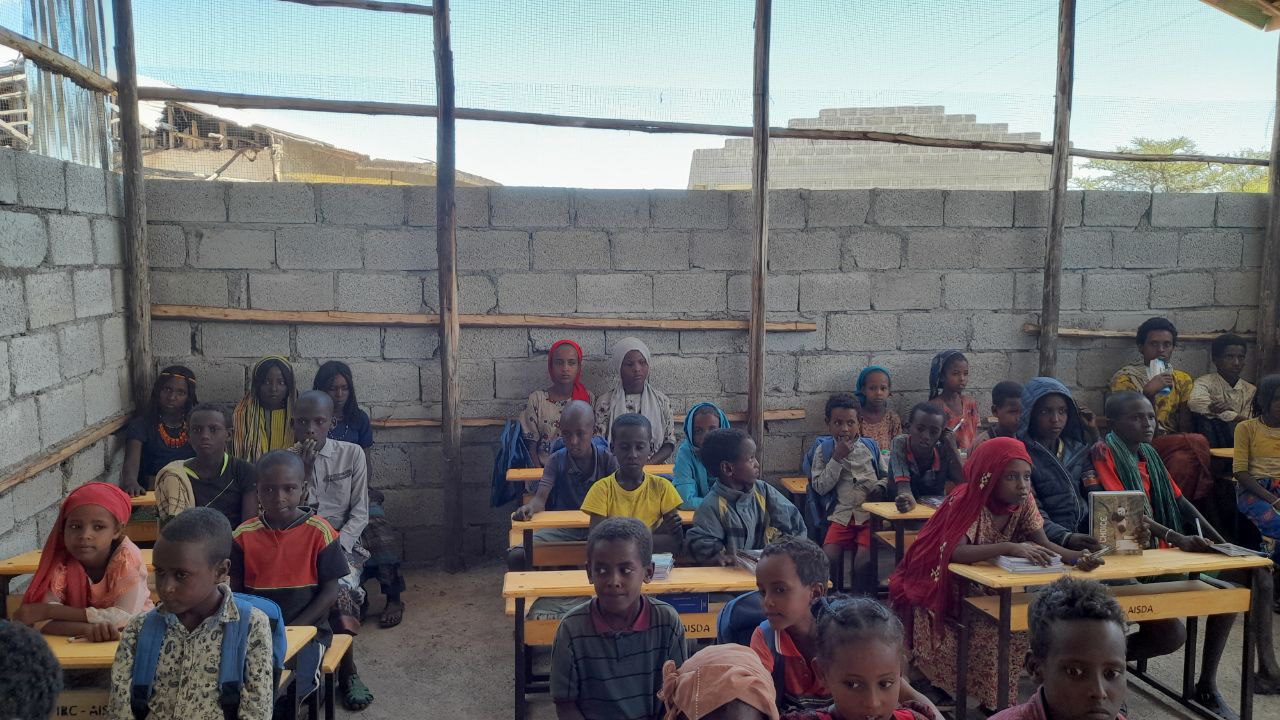
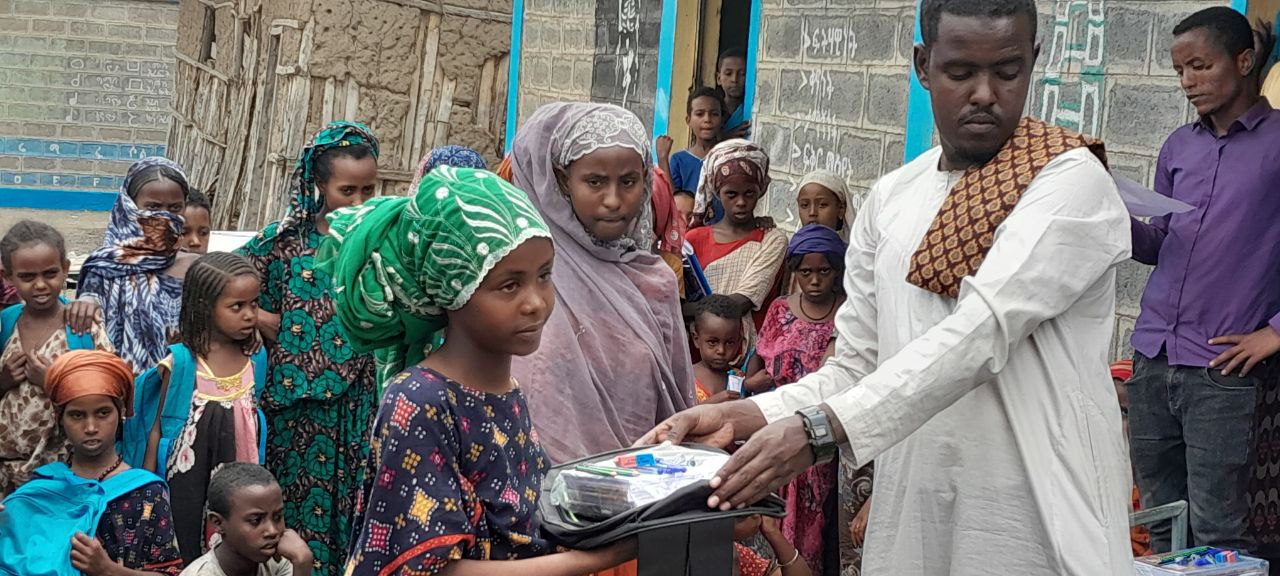
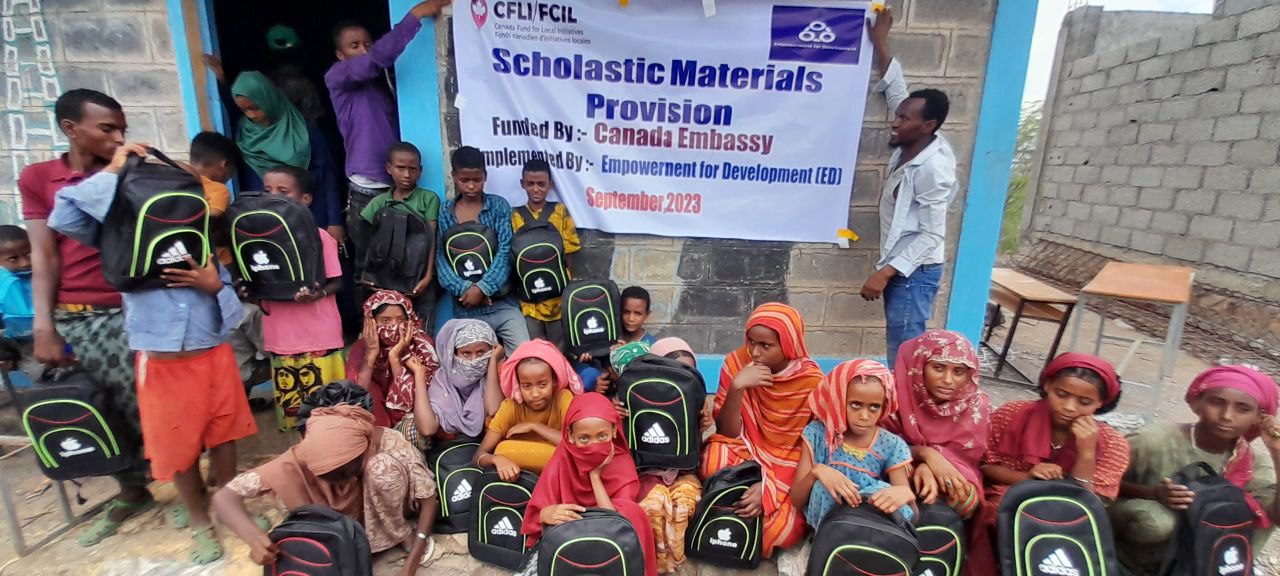
Empowerment for Development (ED), has a strong track record of implementing impactful education interventions, particularly in conflict-affected and vulnerable communities in Afar region. Recognizing the barriers to education faced by girls and marginalized groups, we have prioritized initiatives that address both immediate and systemic challenges. For instance, we have provided scholastic materials, to girls who dropped out of school due to conflict, displacement and personal hardships, enabling them to re-enroll and continue their education. Additionally, we have mobilized communities through targeted trainings and awareness campaigns, emphasizing the importance of education, especially for girls, and addressing cultural and social norms that hinder access to schooling. These efforts have not only increased school enrollment and retention rates but have also fostered a supportive environment where education is valued as a pathway to empowerment and development. Our work has been tailored to the unique context of the pastoral communities, ensuring that interventions are culturally sensitive, inclusive, and sustainable, ultimately contributing to the long-term well-being and resilience of the communities we serve.
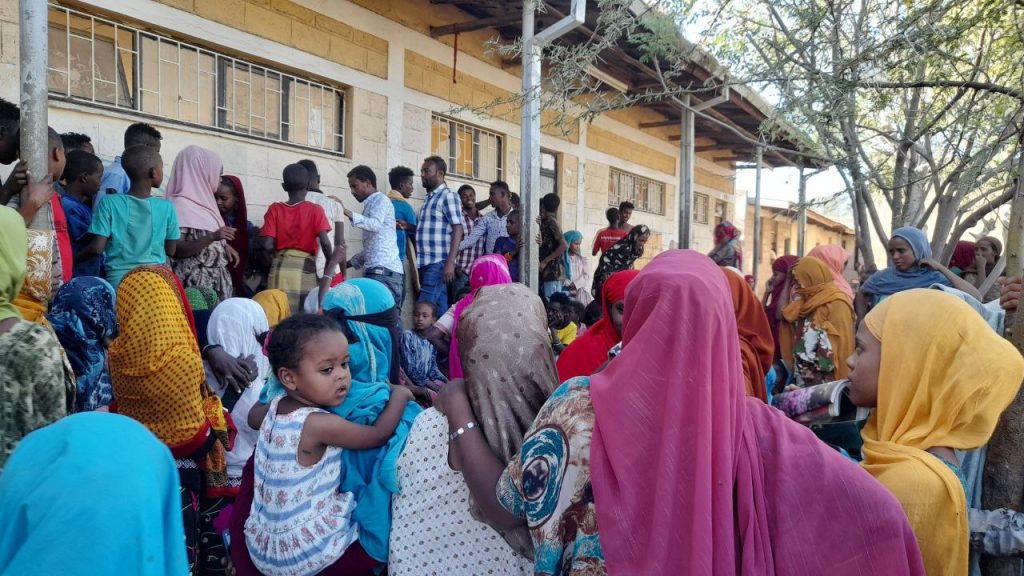
Empowerment for Development (ED) has a proven track record of implementing impactful health interventions, particularly through our award-winning Community Led Monitoring (CLM) projects funded by the US Embassy PEPFAR Coordination Office. Since 2021, we have successfully enhanced the service delivery of health facilities for people living with HIV (PLHIV) and the general population, ensuring that healthcare services are accessible, equitable, and of high quality. By leveraging evidence-based data and advocacy, we have increased the accountability of service providers, addressing gaps in healthcare delivery and fostering trust between communities and health systems. To ensure the projects are community-driven and responsive to local needs, ED established, trained, and collaborated with Community Consultative Teams (CCTs) composed of representatives from the communities we serve. These teams have played a critical role in identifying challenges, monitoring service delivery, and advocating for improvements, ensuring that the voices of marginalized and vulnerable populations are heard and addressed.
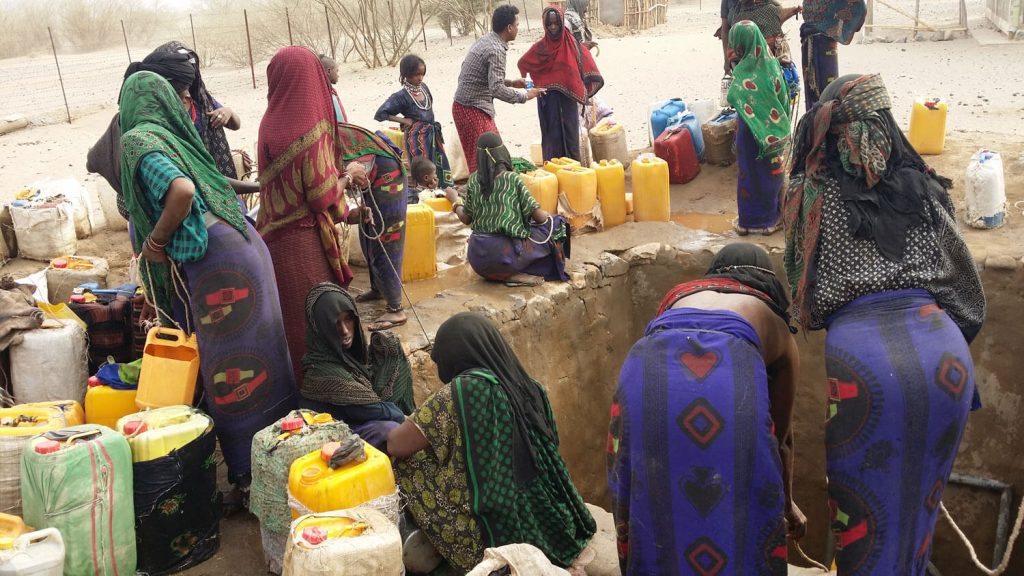
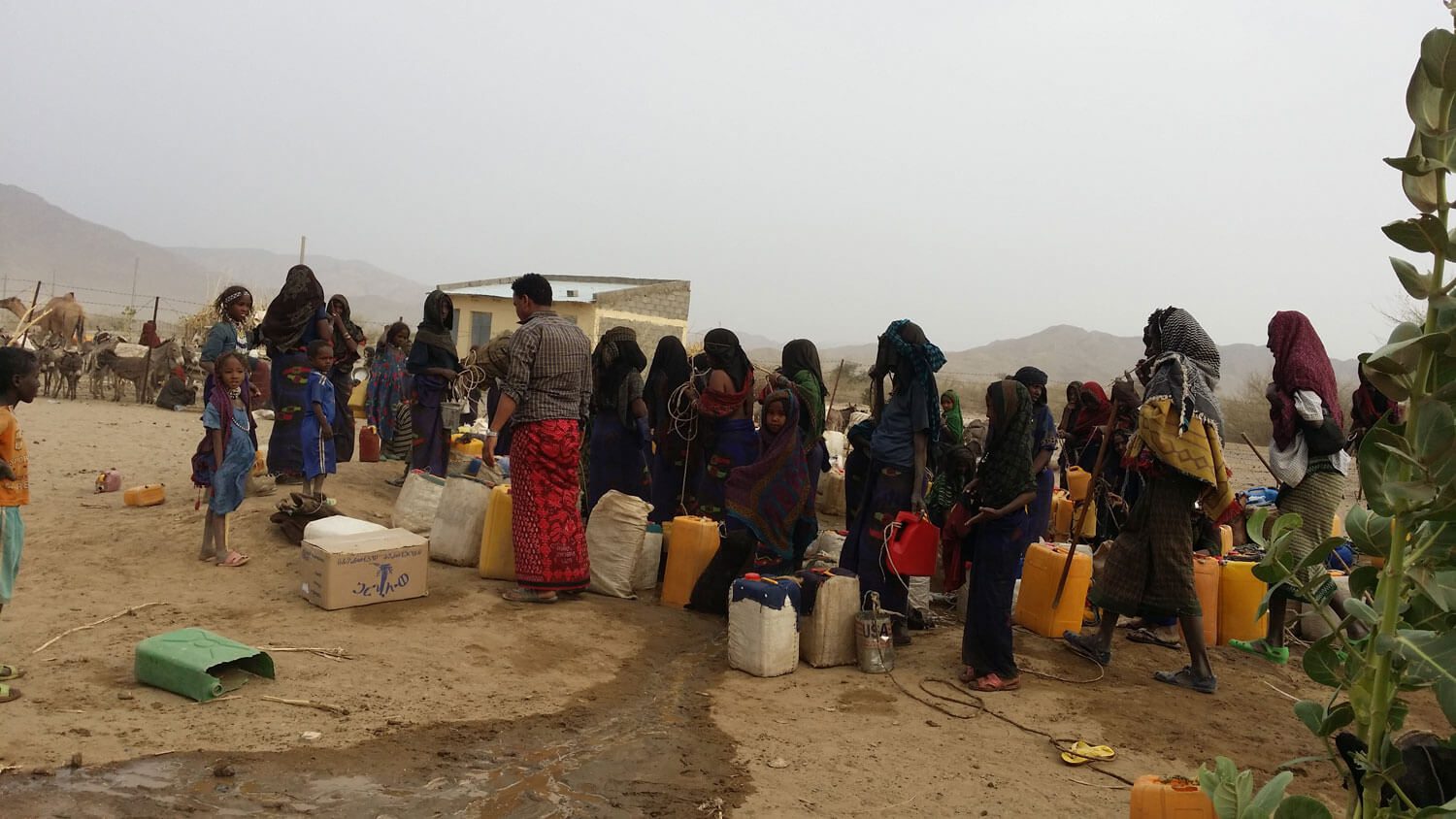
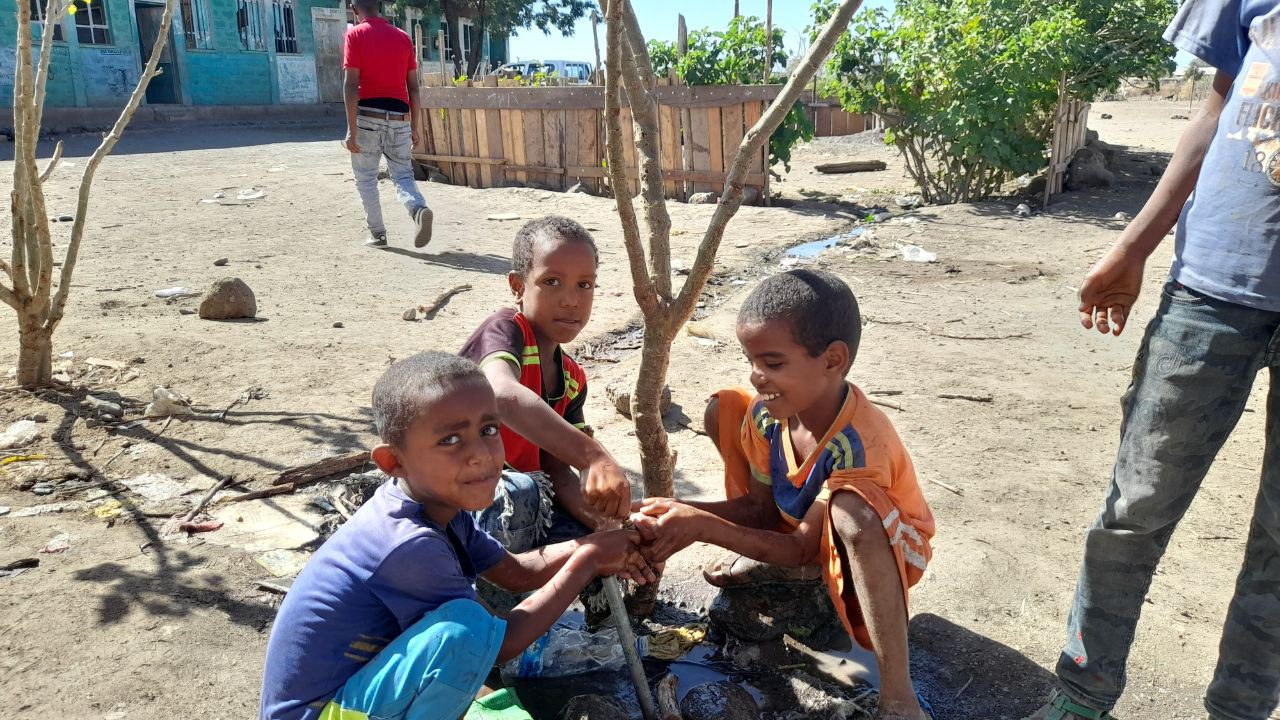
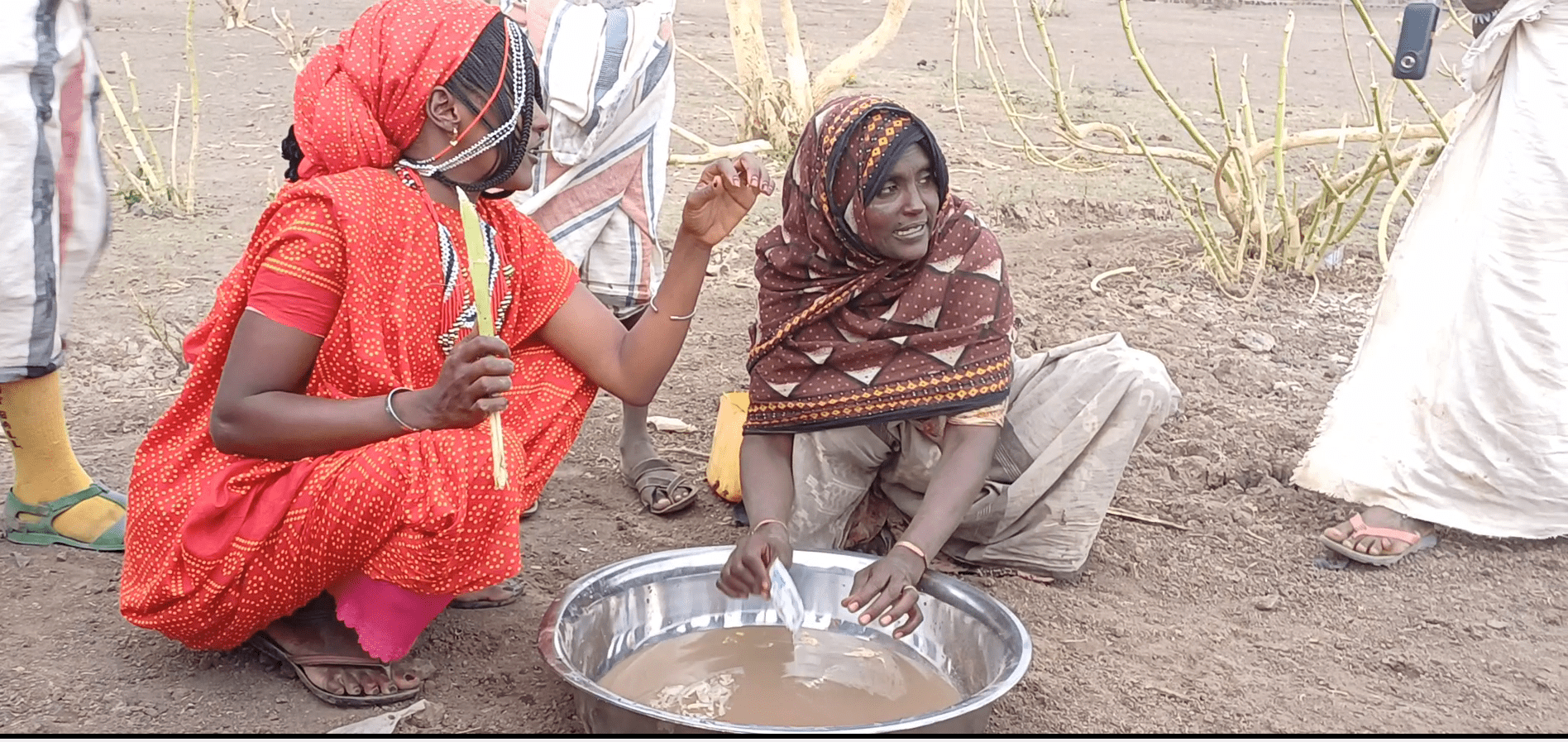
In addition to these, ED places a strong emphasis on integrating Reproductive, Maternal, Newborn, and Child Health (RMNCH) services into our initiatives. This holistic approach has been vital for improving health outcomes across diverse demographic segments, particularly for women and children. We have also implemented targeted trainings and awareness campaigns on Water, Sanitation, and Hygiene (WASH) and other health-related interventions, which have significantly improved the overall health status of the communities we serve. For example, our WASH campaigns have reduced the incidence of waterborne diseases, while our RMNCH initiatives have increased access to prenatal and postnatal care, contributing to safer pregnancies and healthier newborns. These efforts demonstrate our commitment to addressing the interconnected health needs of communities in Ethiopia, ensuring that our interventions are comprehensive, sustainable, and aligned with the priorities of the populations we serve.
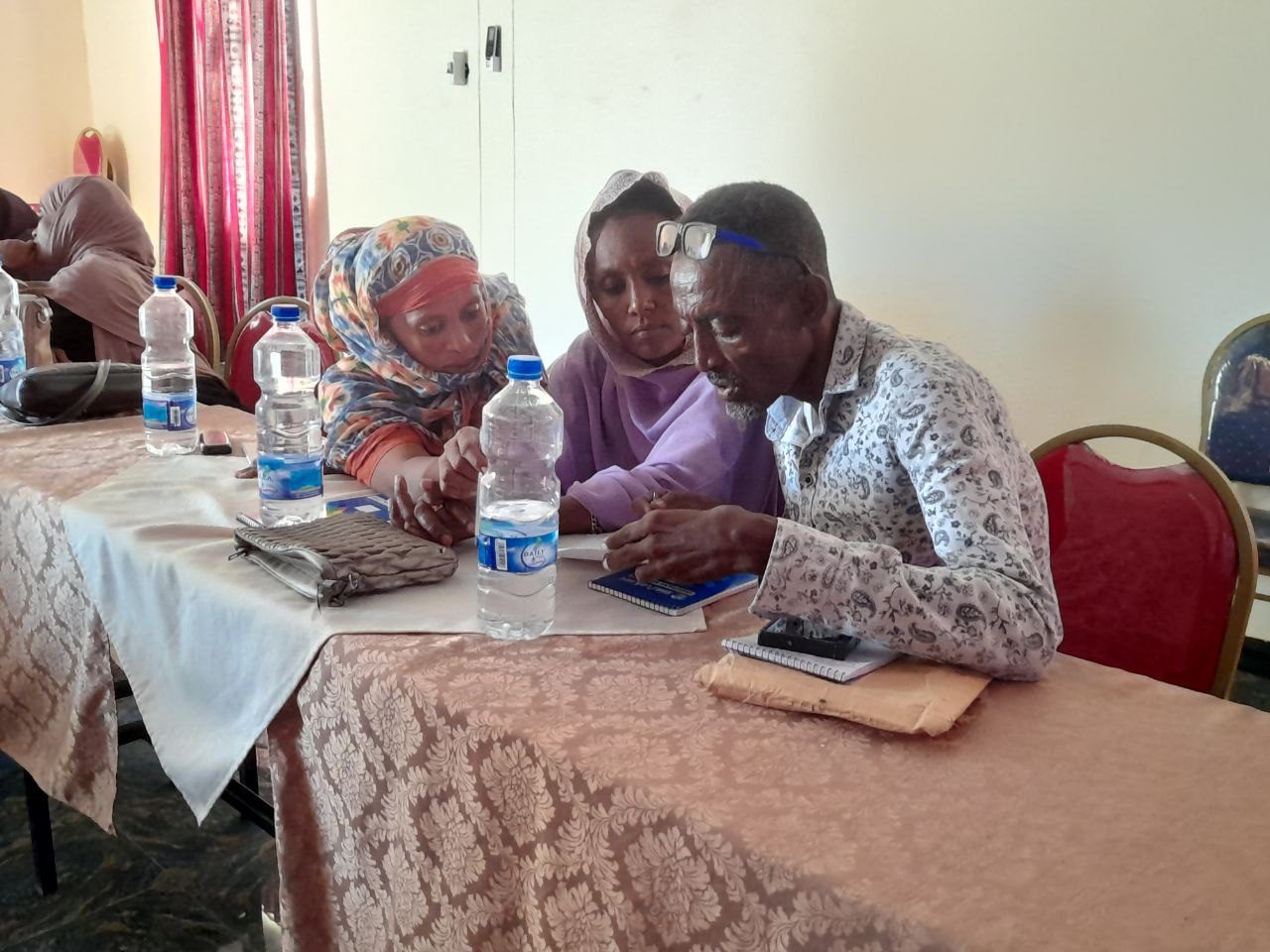
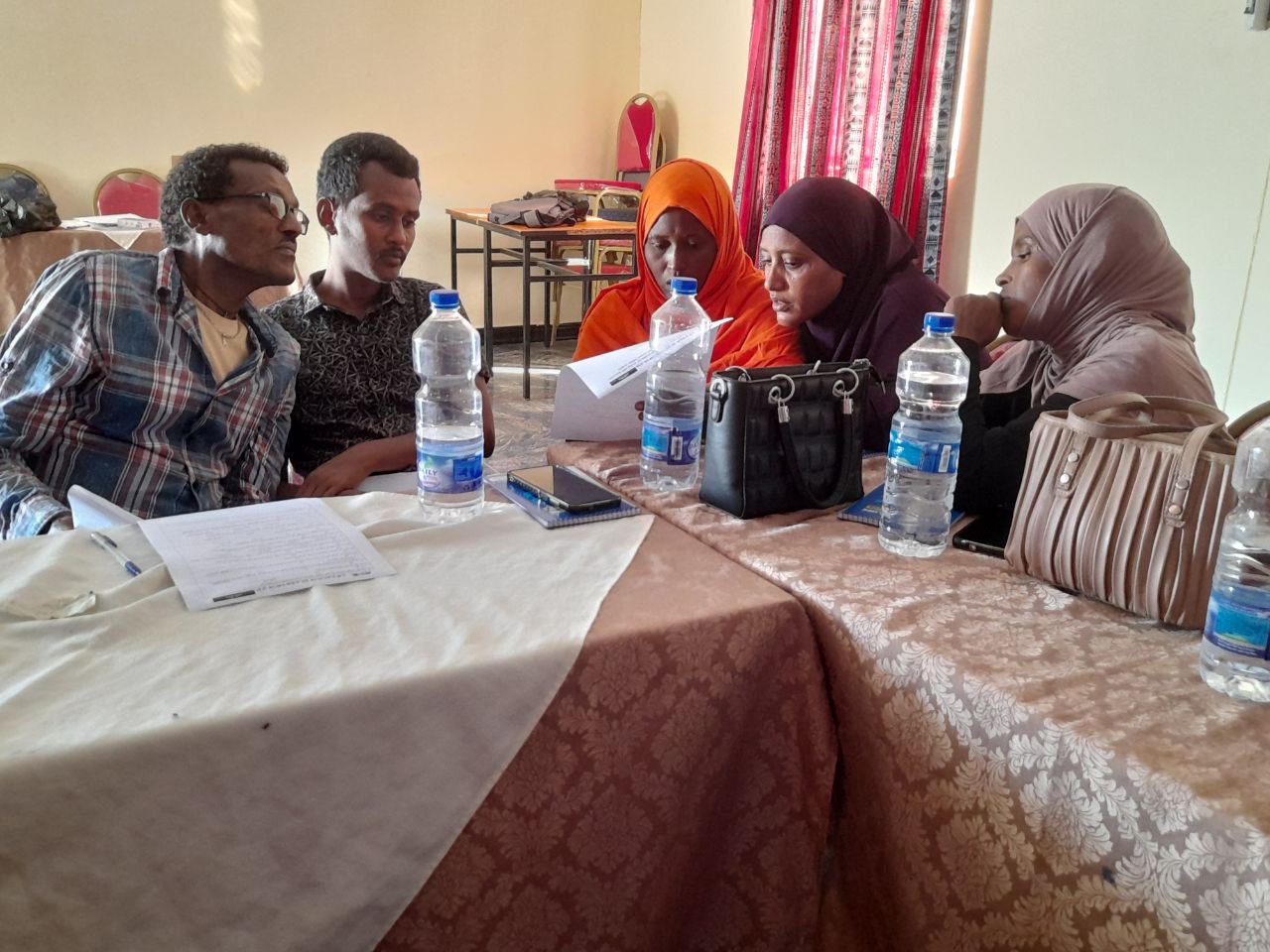
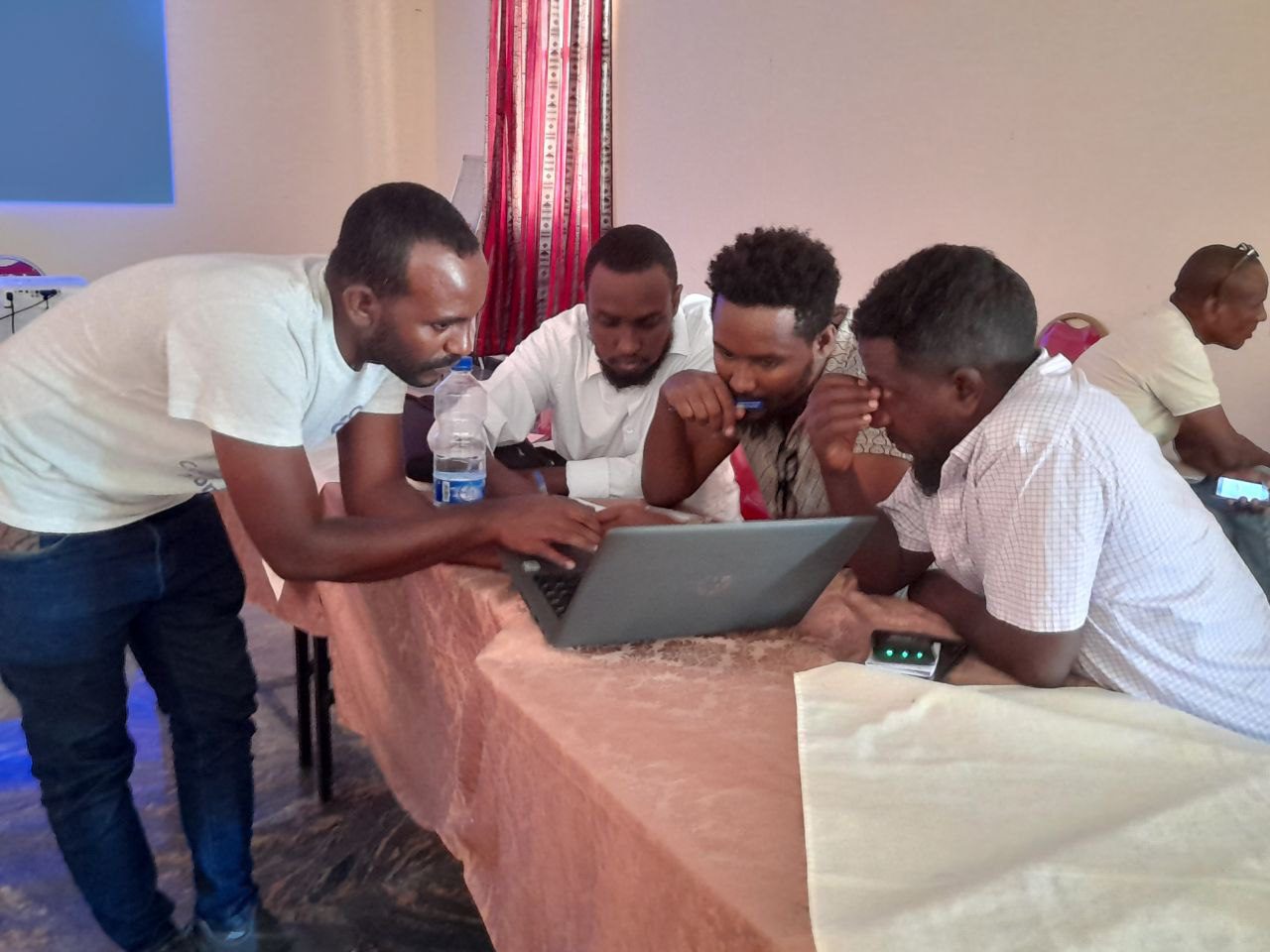
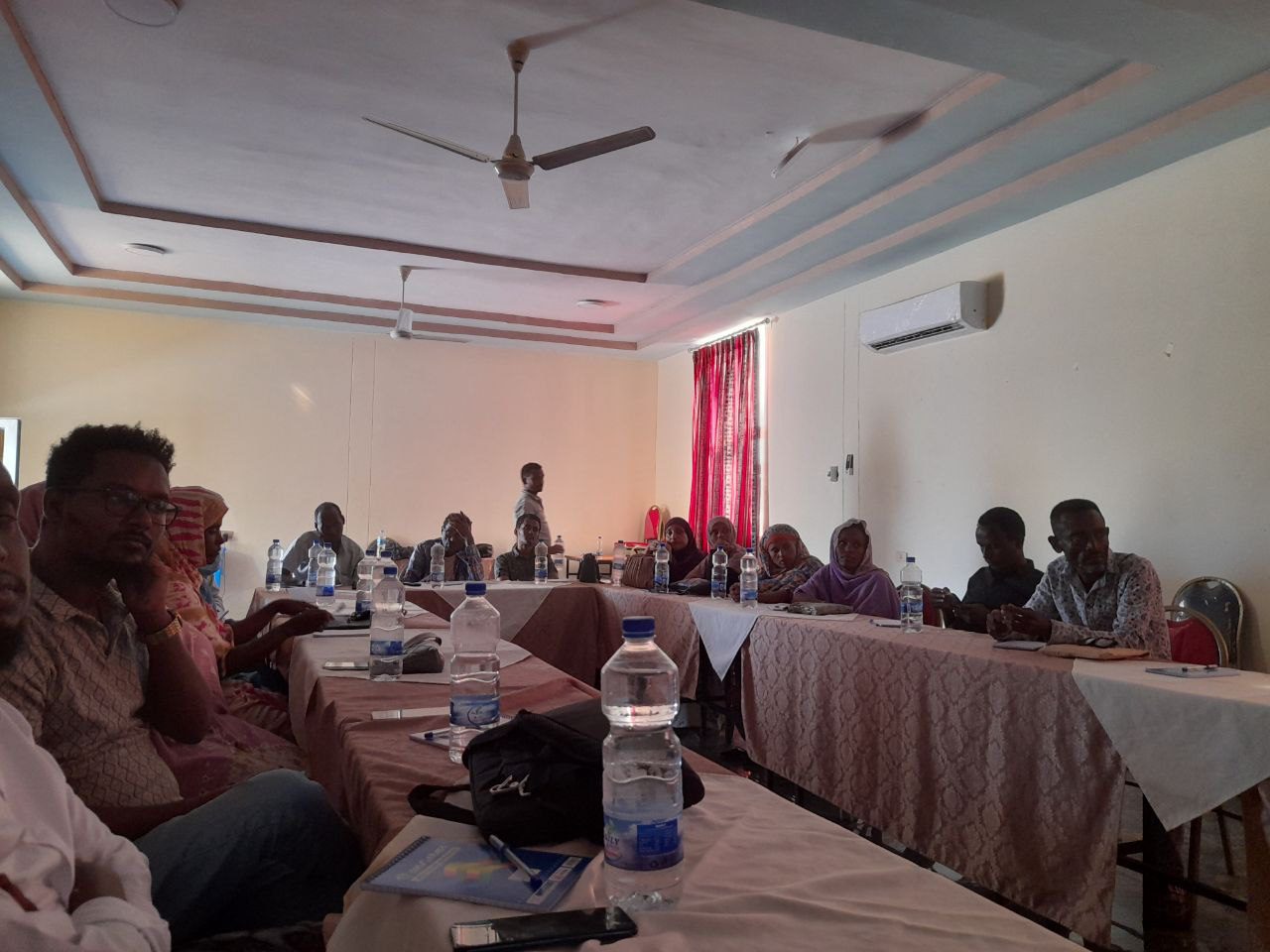
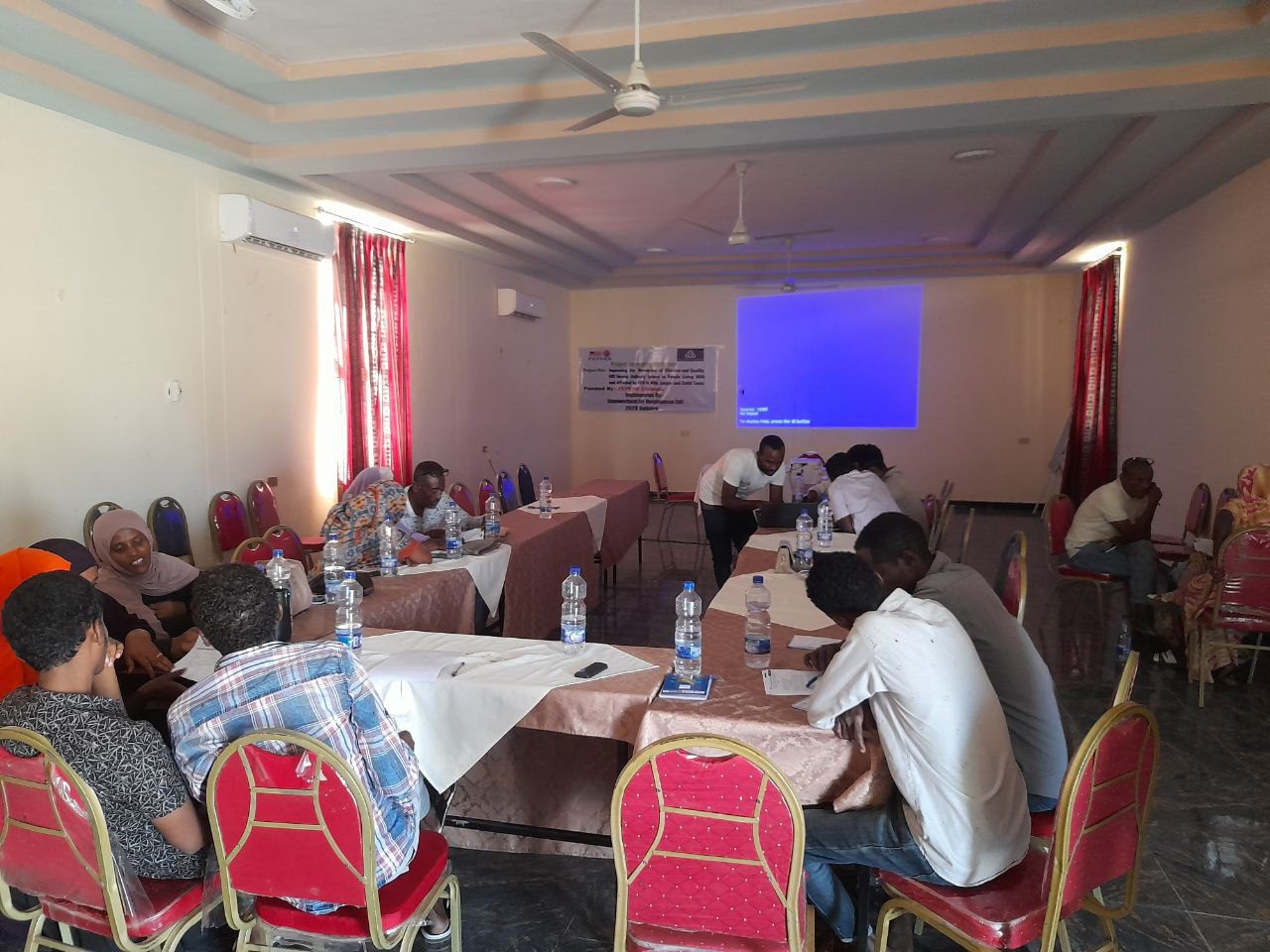
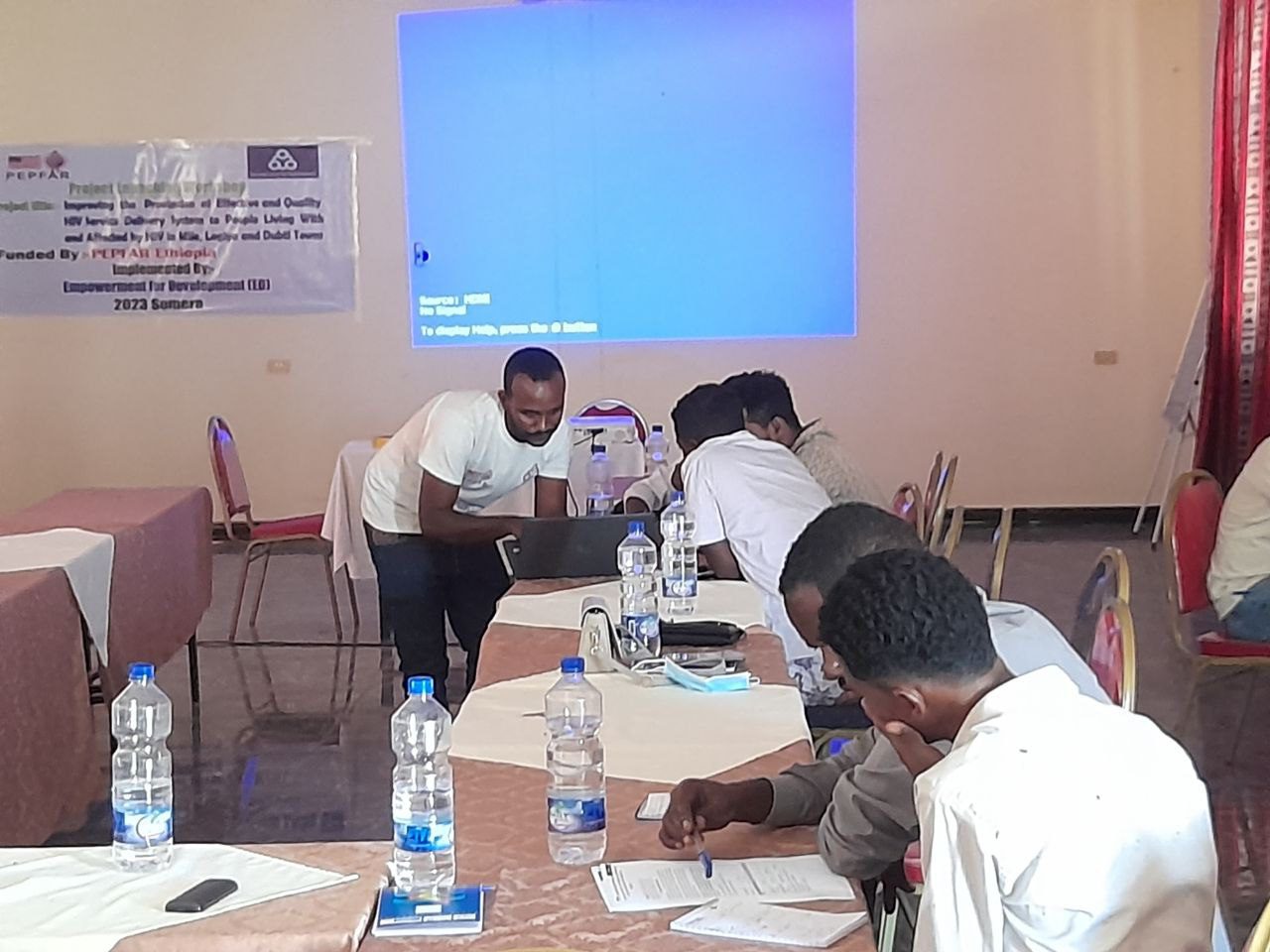
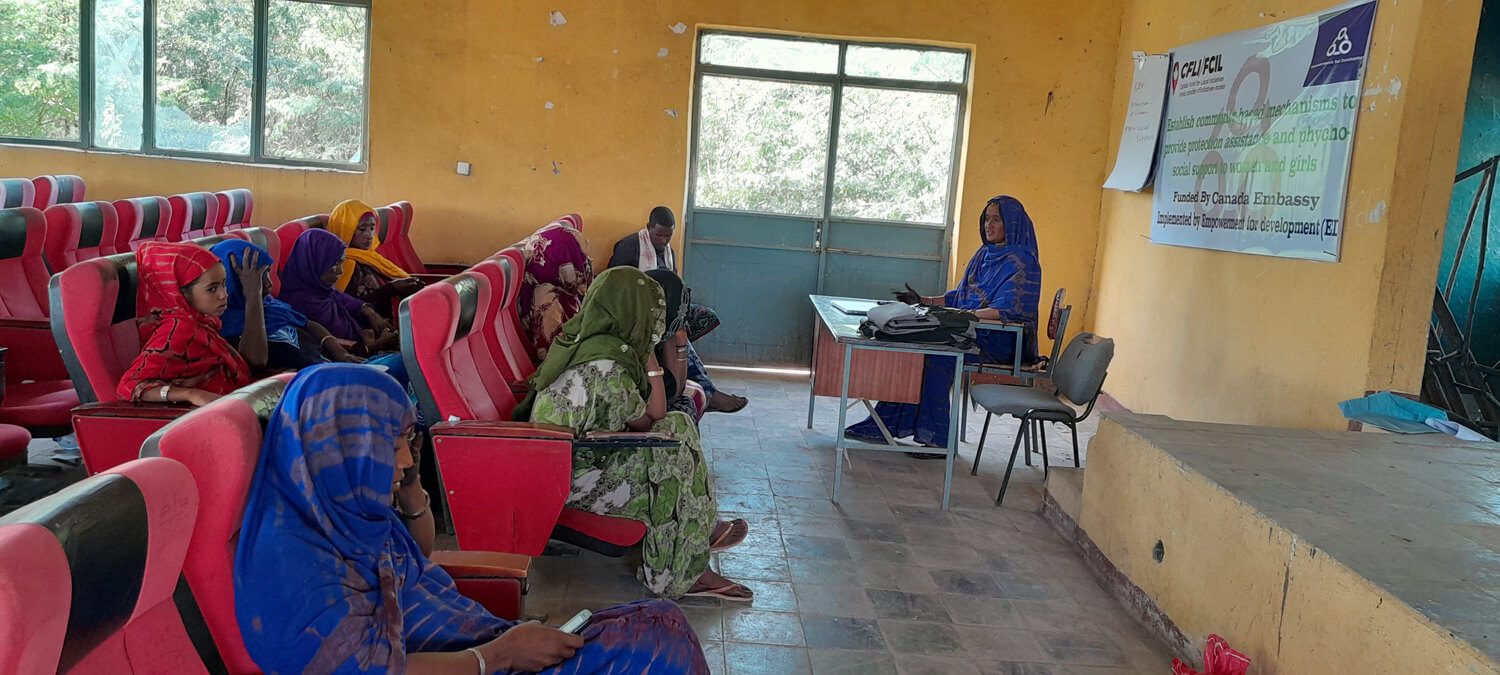
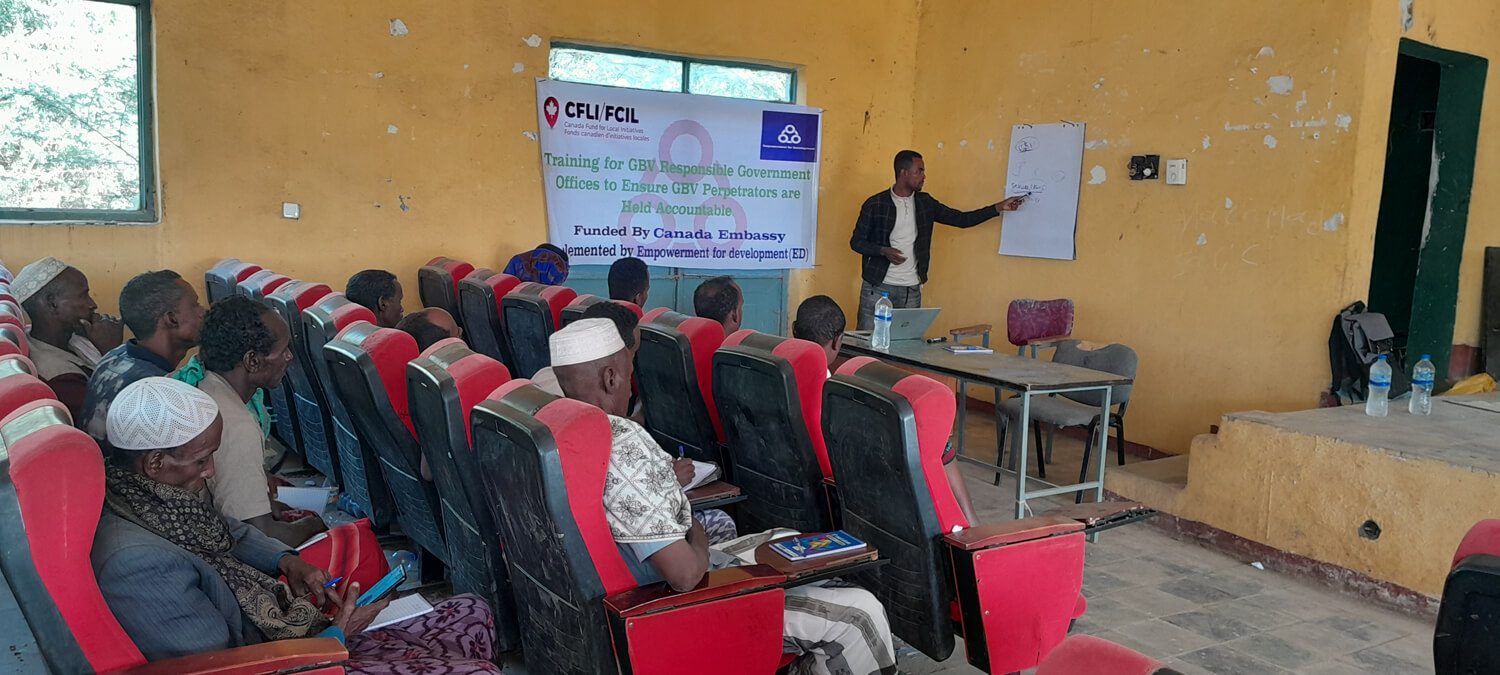
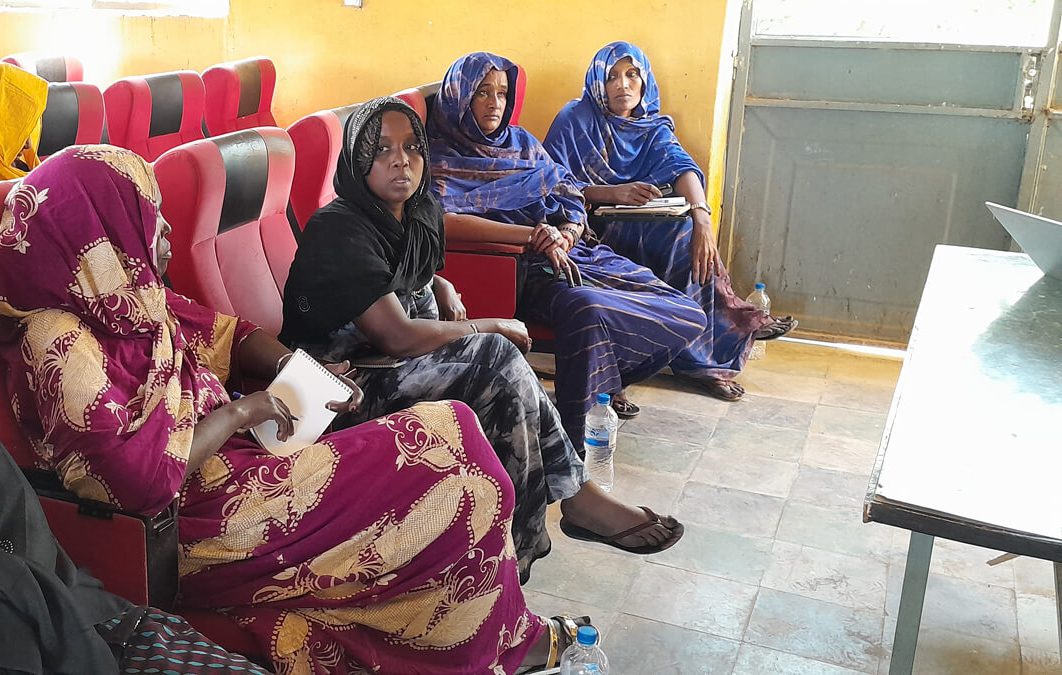
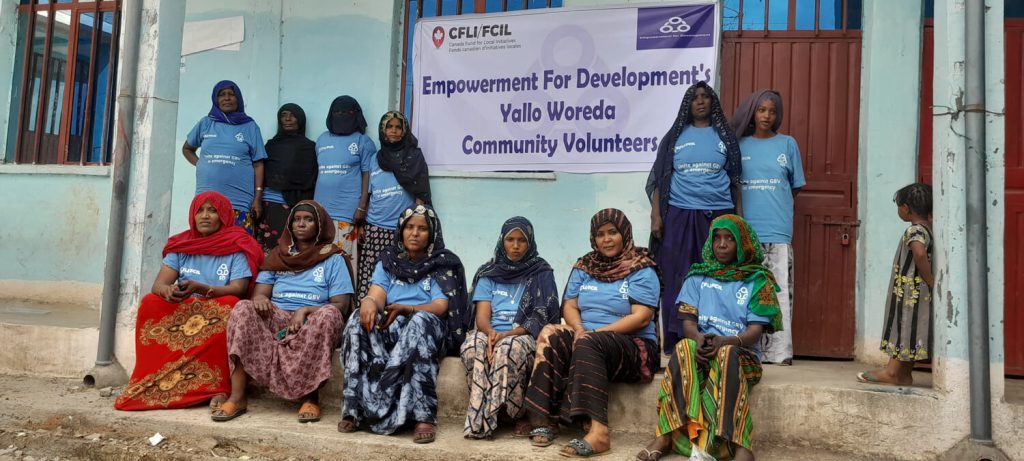
Empowerment for Development (ED) has extensive experience in implementing protection initiatives, particularly in responding to gender-based violence (GBV) and child protection issues in conflict-affected communities. Through projects such as *”Survivor-centered recovery and justice for sustainable peace and gender equality in post-conflict societies of Afar”* and *”Prevention and response to GBV in conflict-affected communities of Afar IDPs neighboring to Tigray through a community-based approach,”* we have demonstrated our commitment to addressing the unique vulnerabilities faced by women, girls, and children in post-conflict settings. Our survivor-centered approach ensures that GBV survivors receive comprehensive support, including access to medical care, psychosocial counseling, legal aid, and safe spaces. We have also worked to strengthen community-based protection mechanisms by training local leaders, women’s groups, and youth volunteers to identify, prevent, and respond to GBV incidents. These efforts have not only improved the safety and well-being of survivors but have also fostered a culture of accountability and gender equality within the communities we serve.
In addition to GBV response, ED has prioritized child protection as a critical component of our protection interventions. In the Afar region, where displacement and conflict have exacerbated risks for children, we have implemented community-based child protection systems to identify and address issues such as child abuse, exploitation, and neglect. Our initiatives include establishing child-friendly spaces, providing psychosocial support, and conducting awareness campaigns to educate communities on the rights of children and the importance of safeguarding their well-being. We have also collaborated with local authorities, schools, and community leaders to strengthen referral pathways and ensure that children at risk receive timely and appropriate support. By integrating GBV and child protection interventions into our broader peacebuilding and recovery efforts, we have contributed to creating safer, more resilient communities where vulnerable populations can thrive. These experiences highlight our ability to design and implement effective, context-specific protection programs that address the immediate and long-term needs of conflict-affected populations.
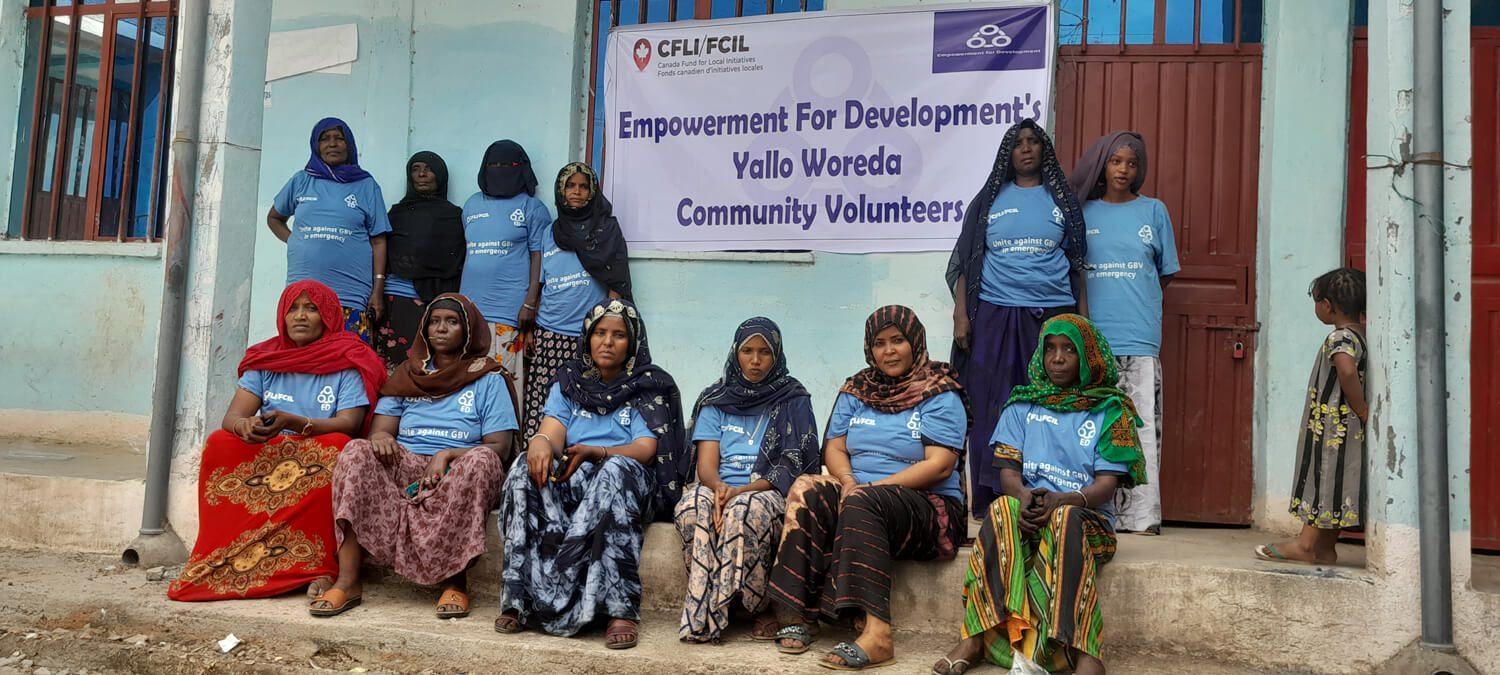
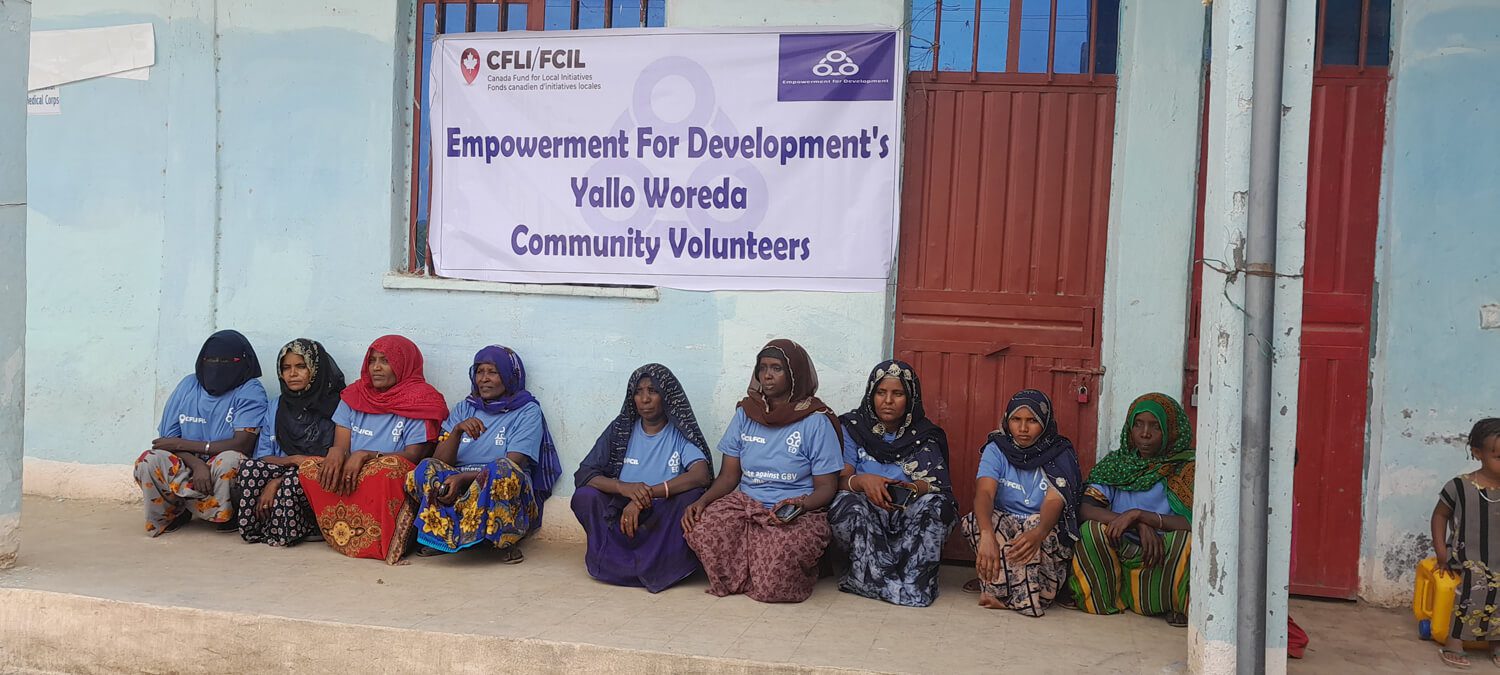
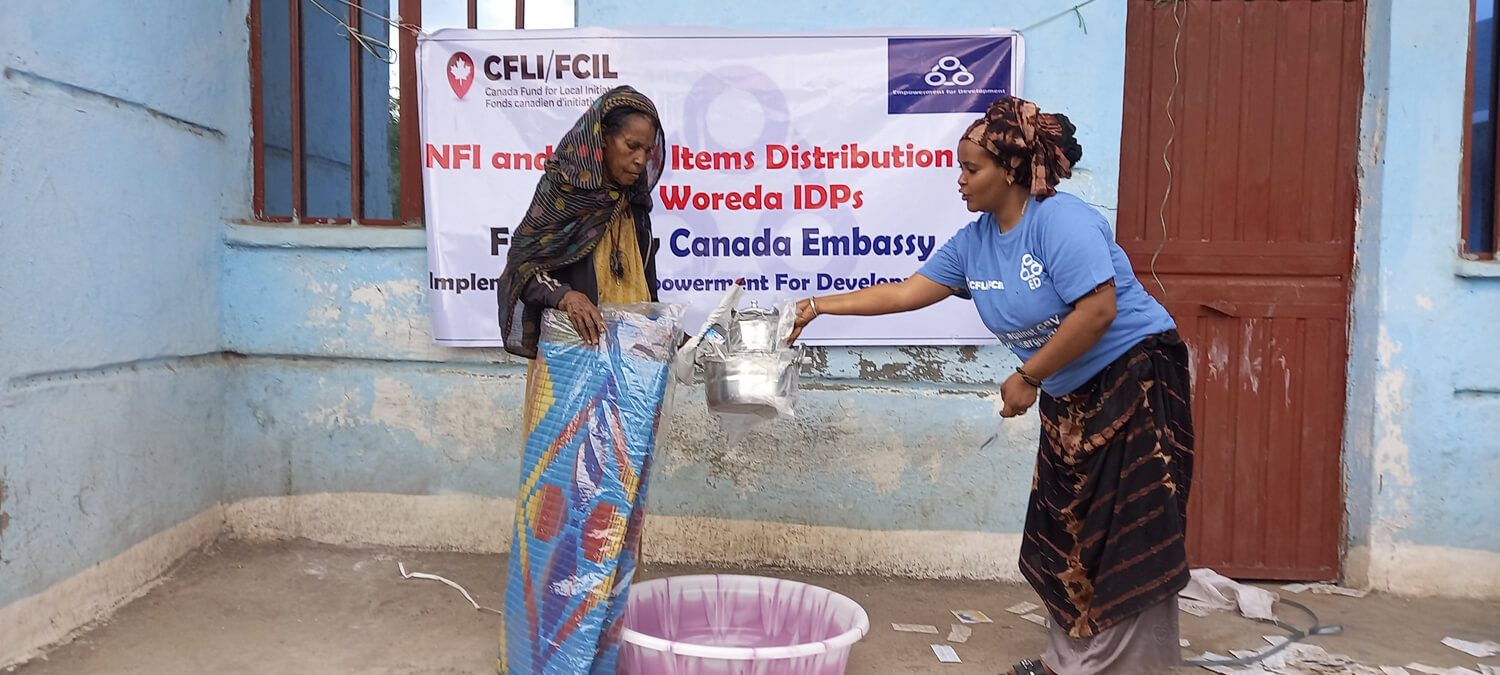
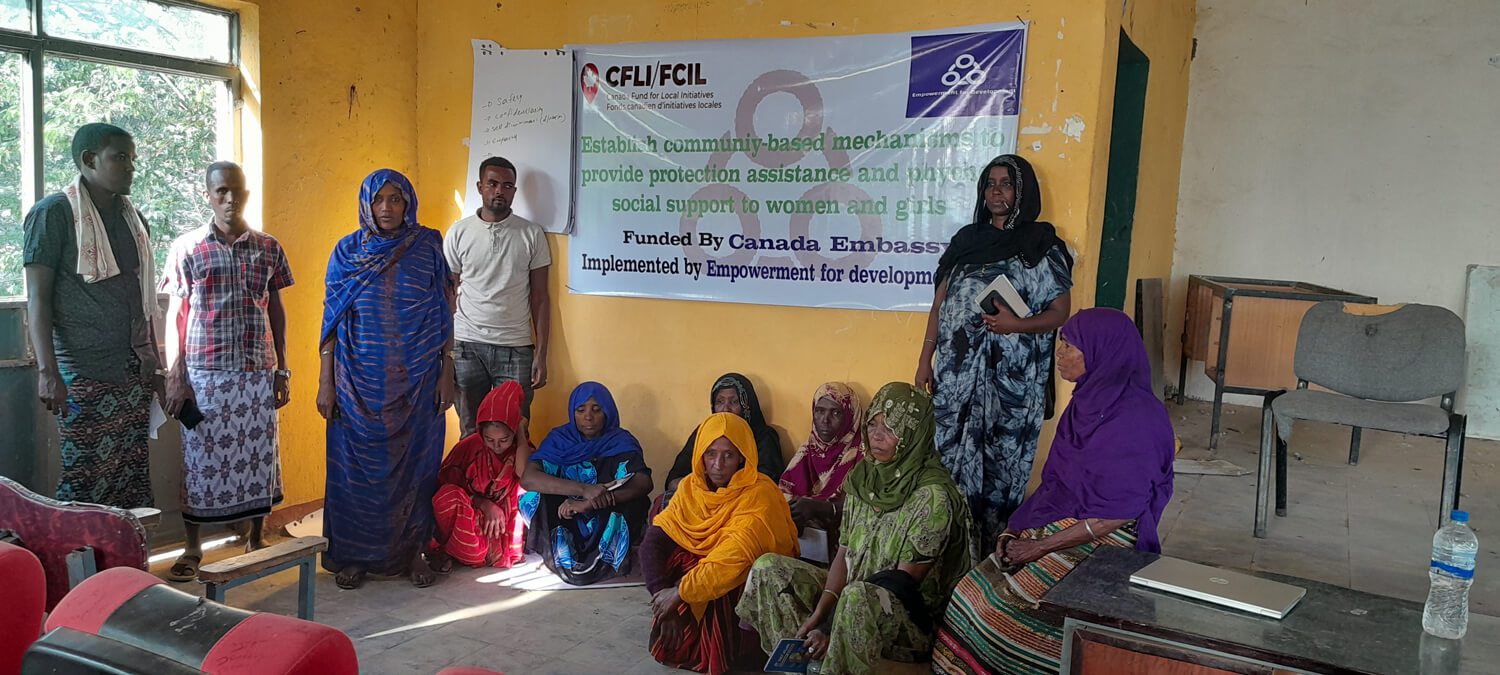
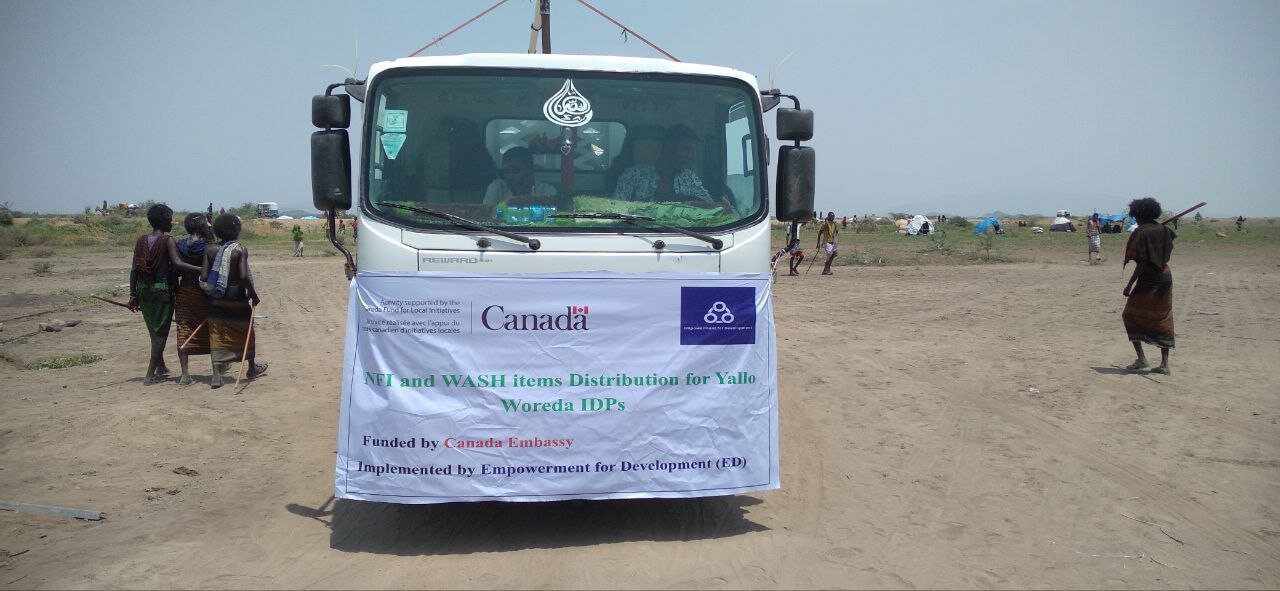
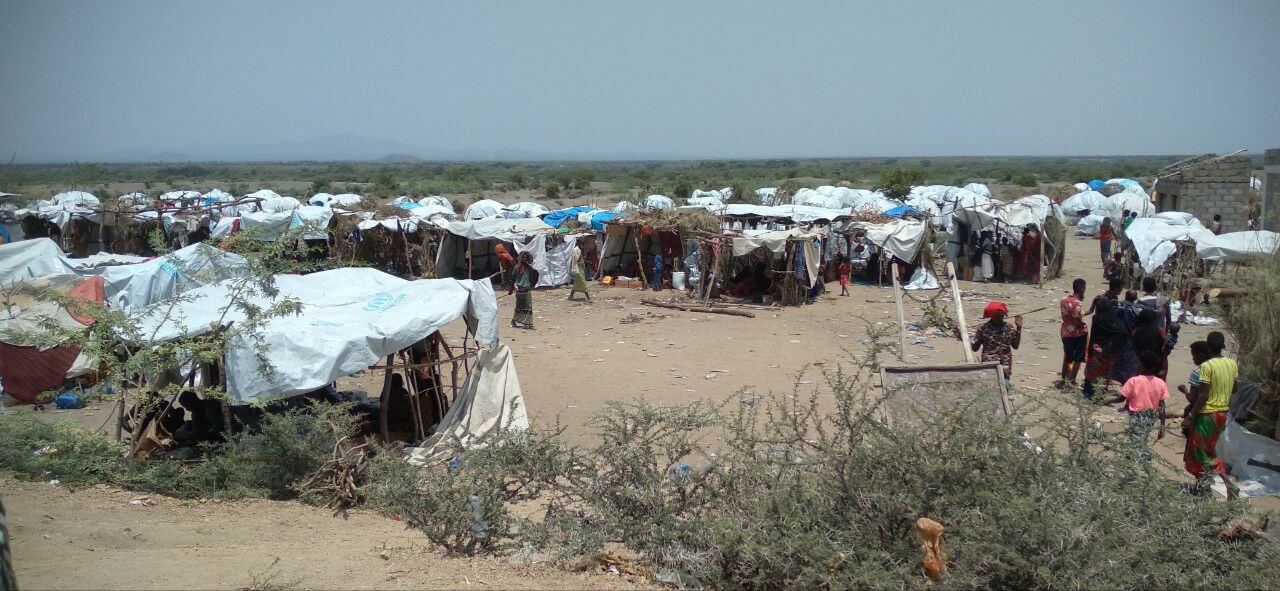
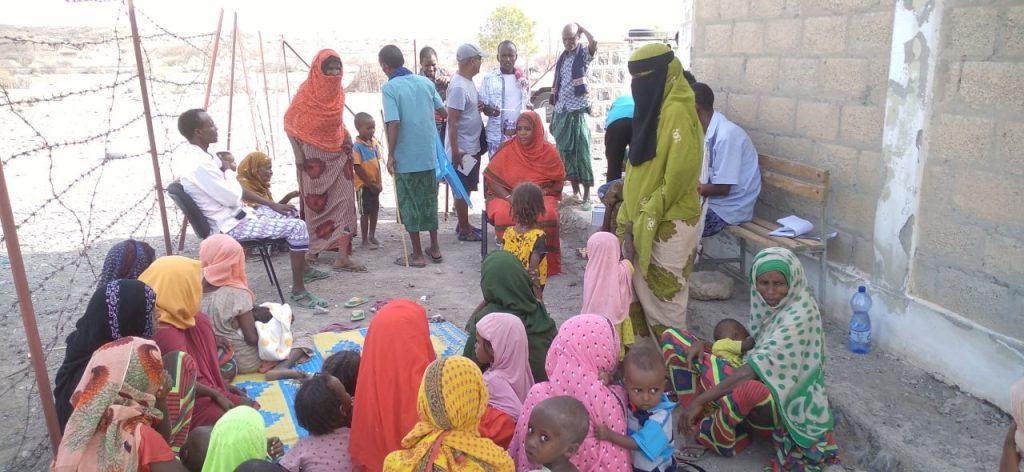
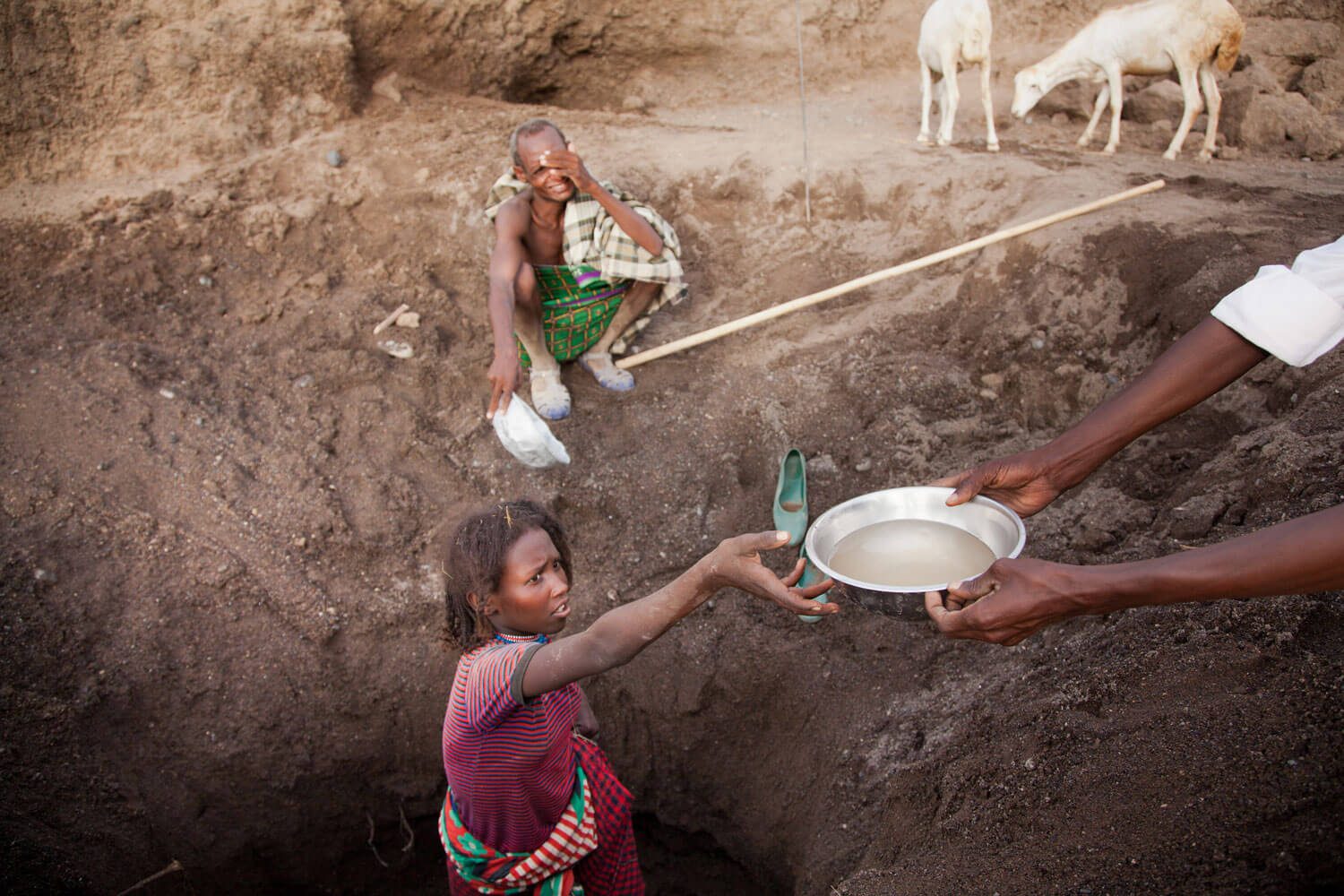
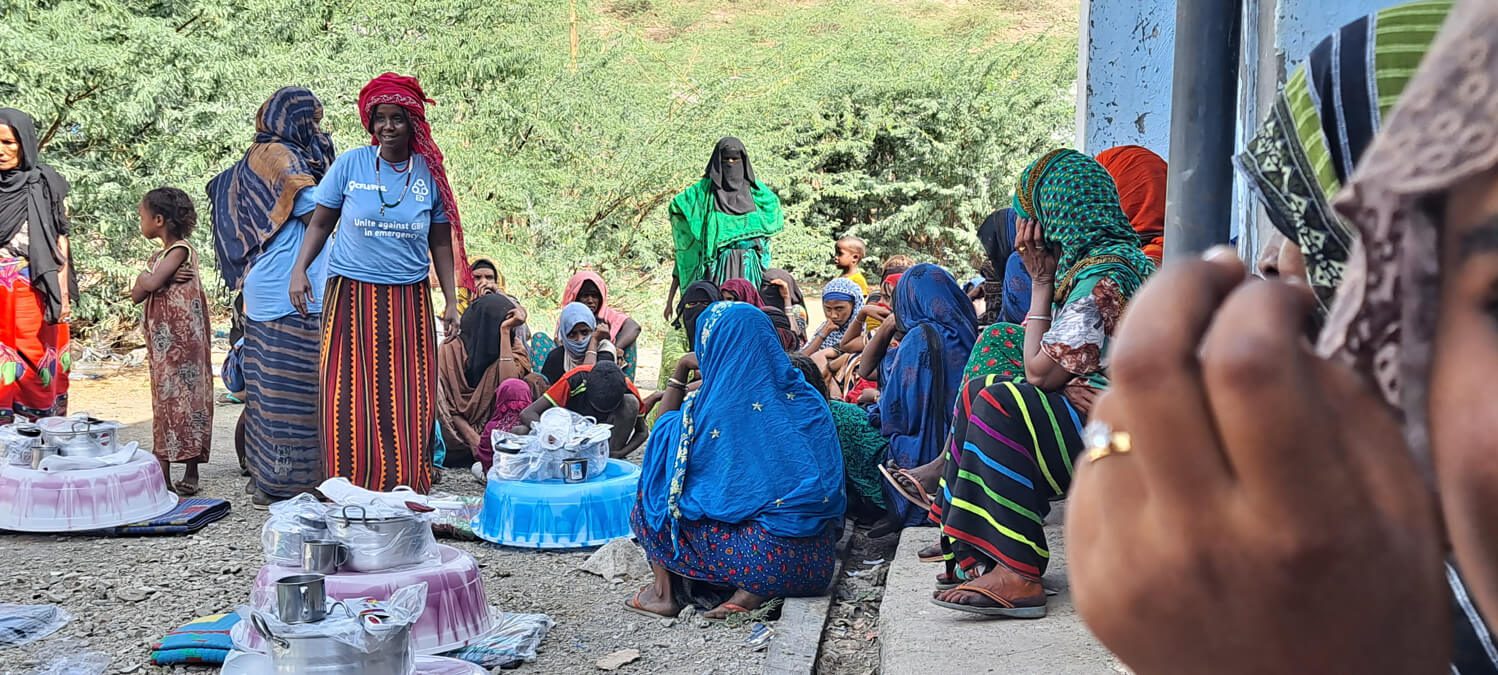
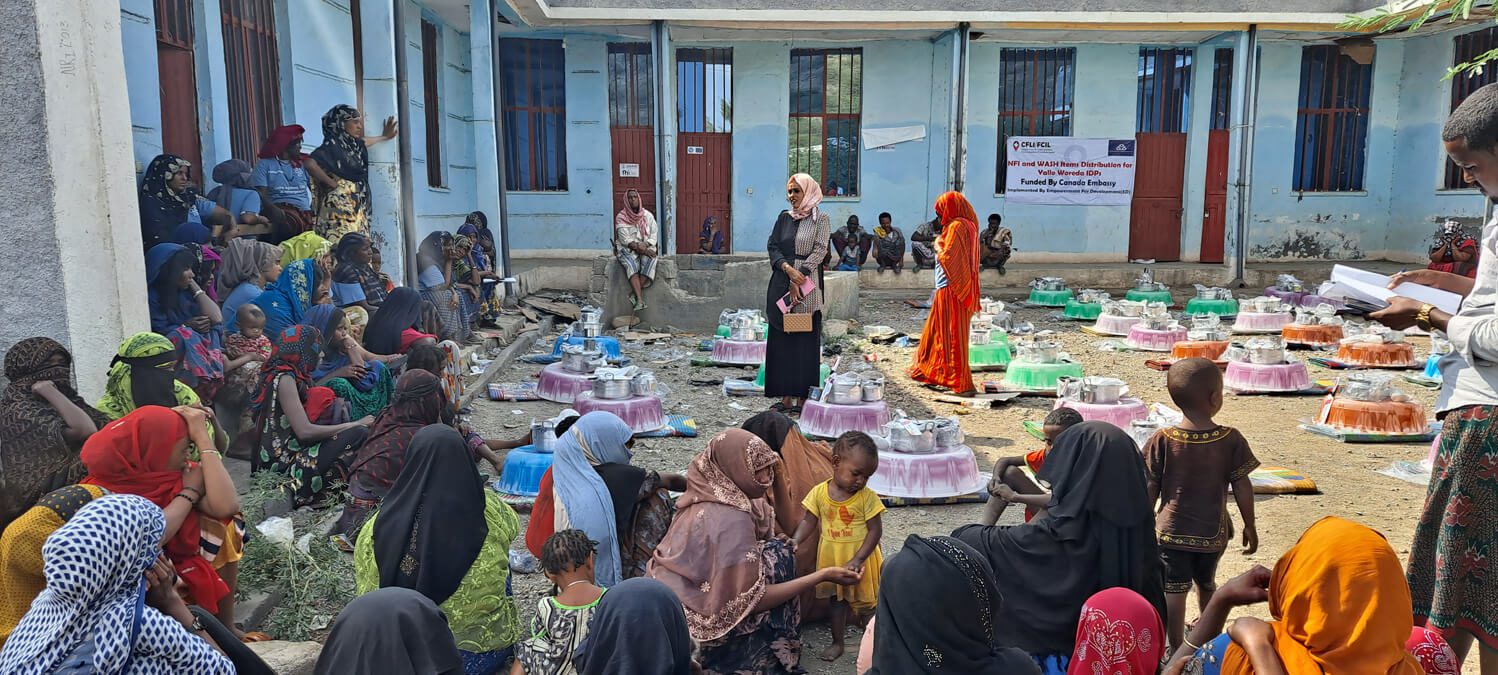
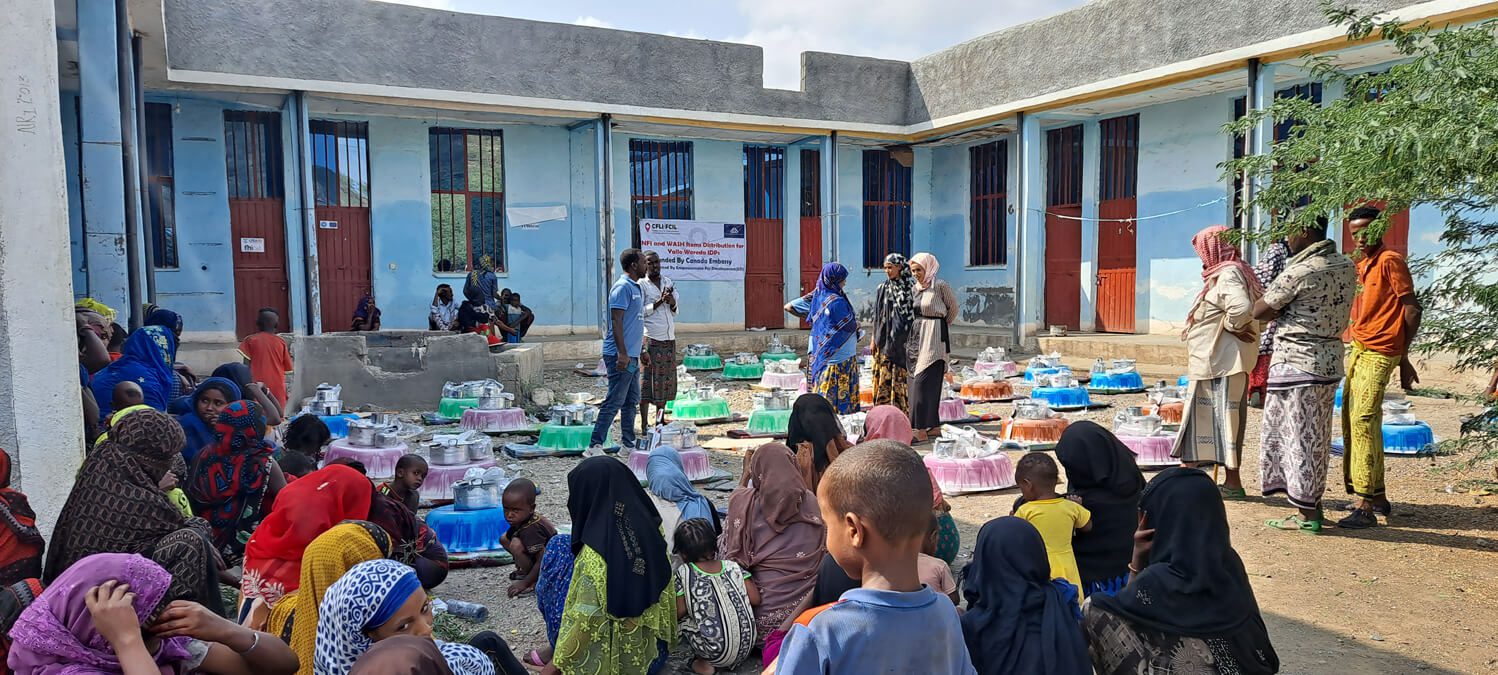
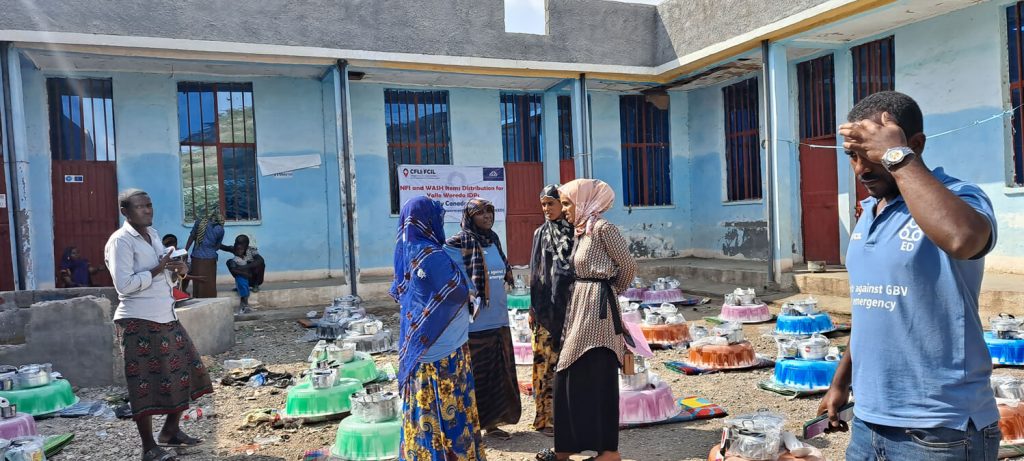
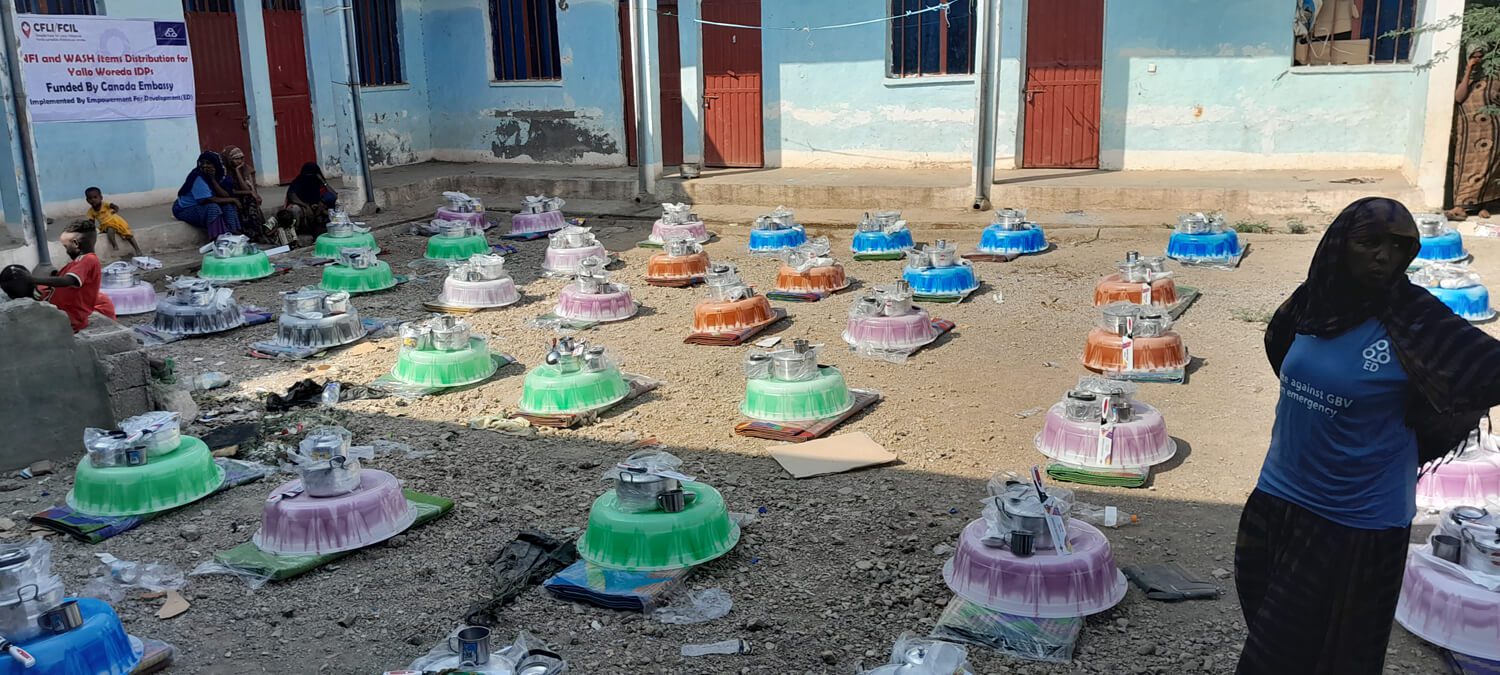
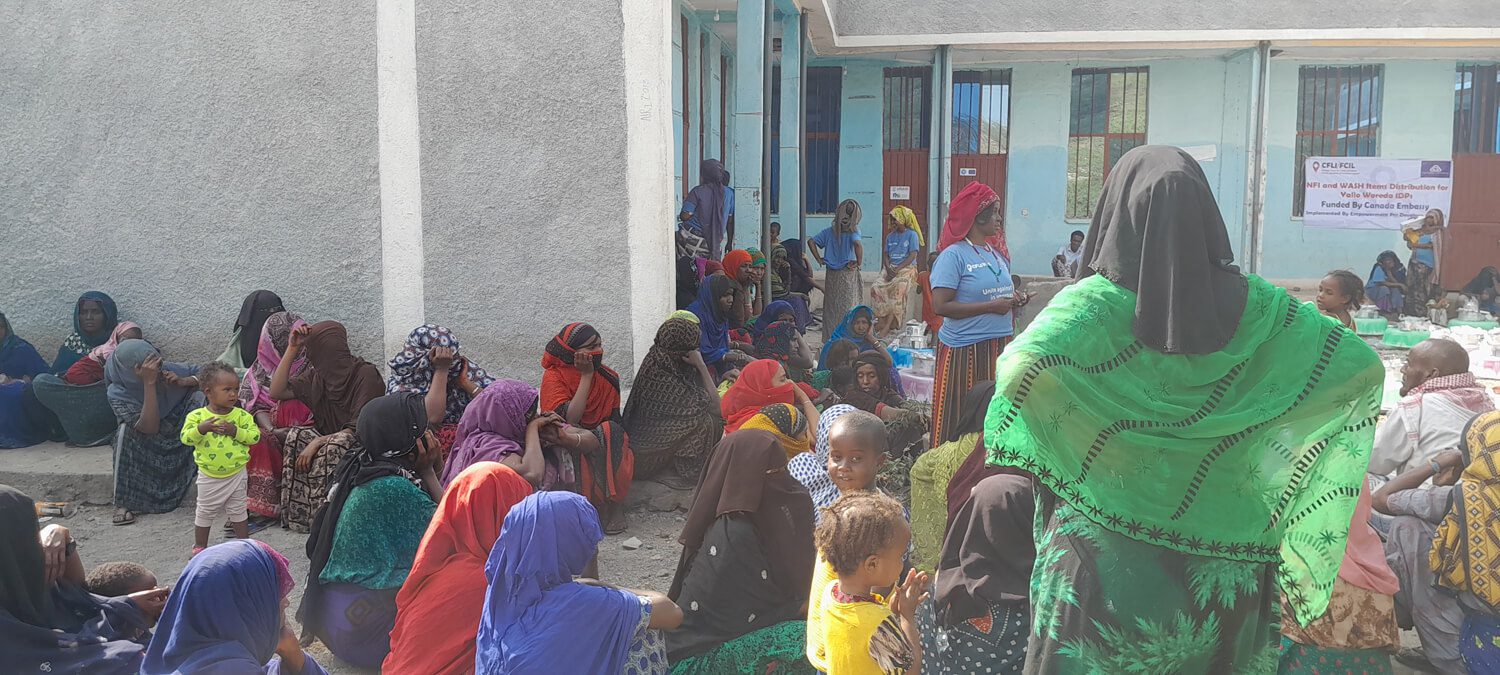
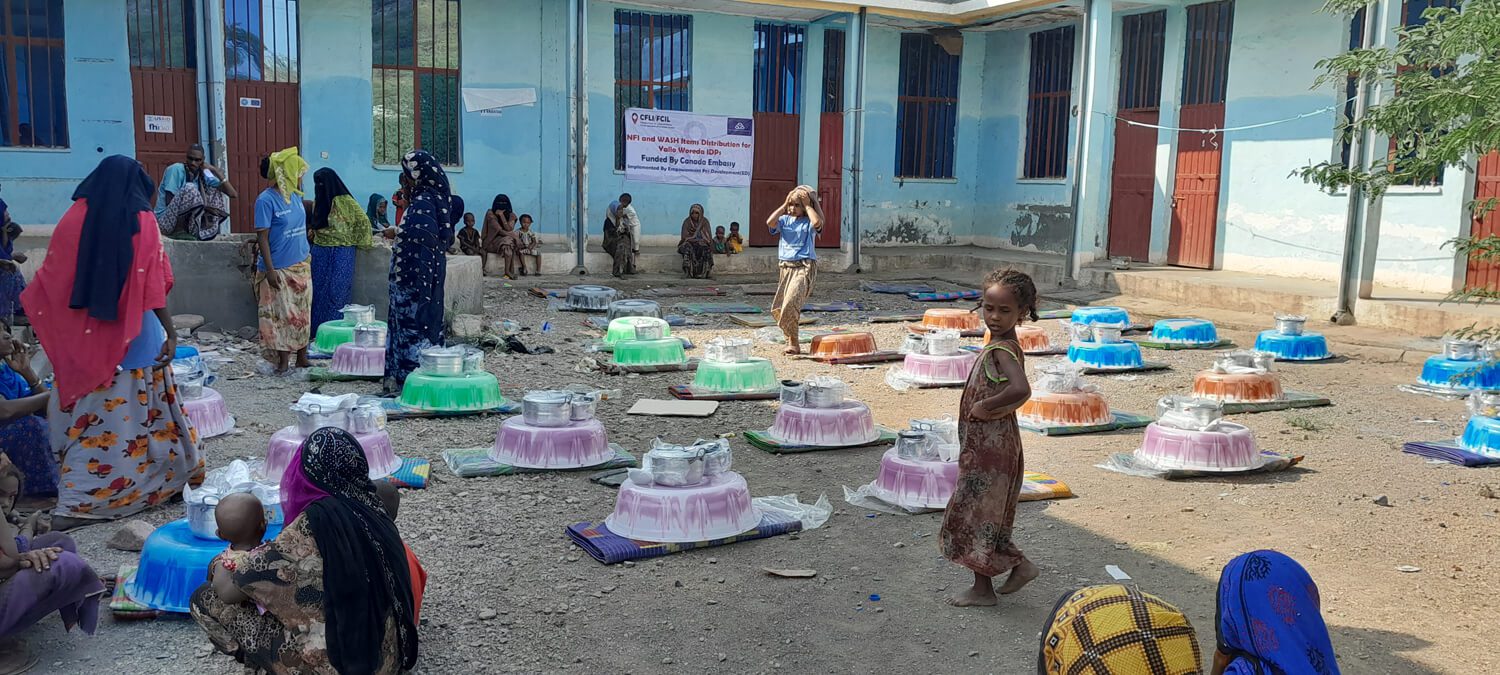
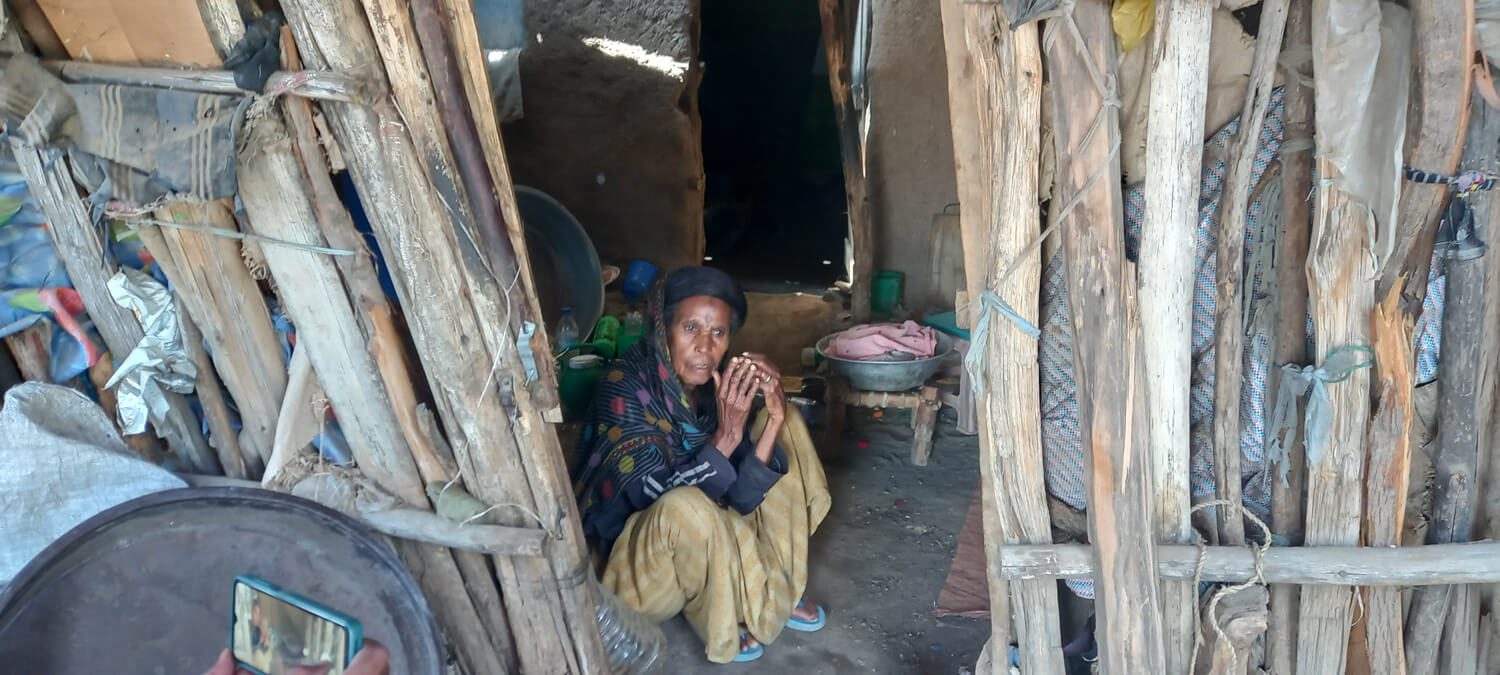
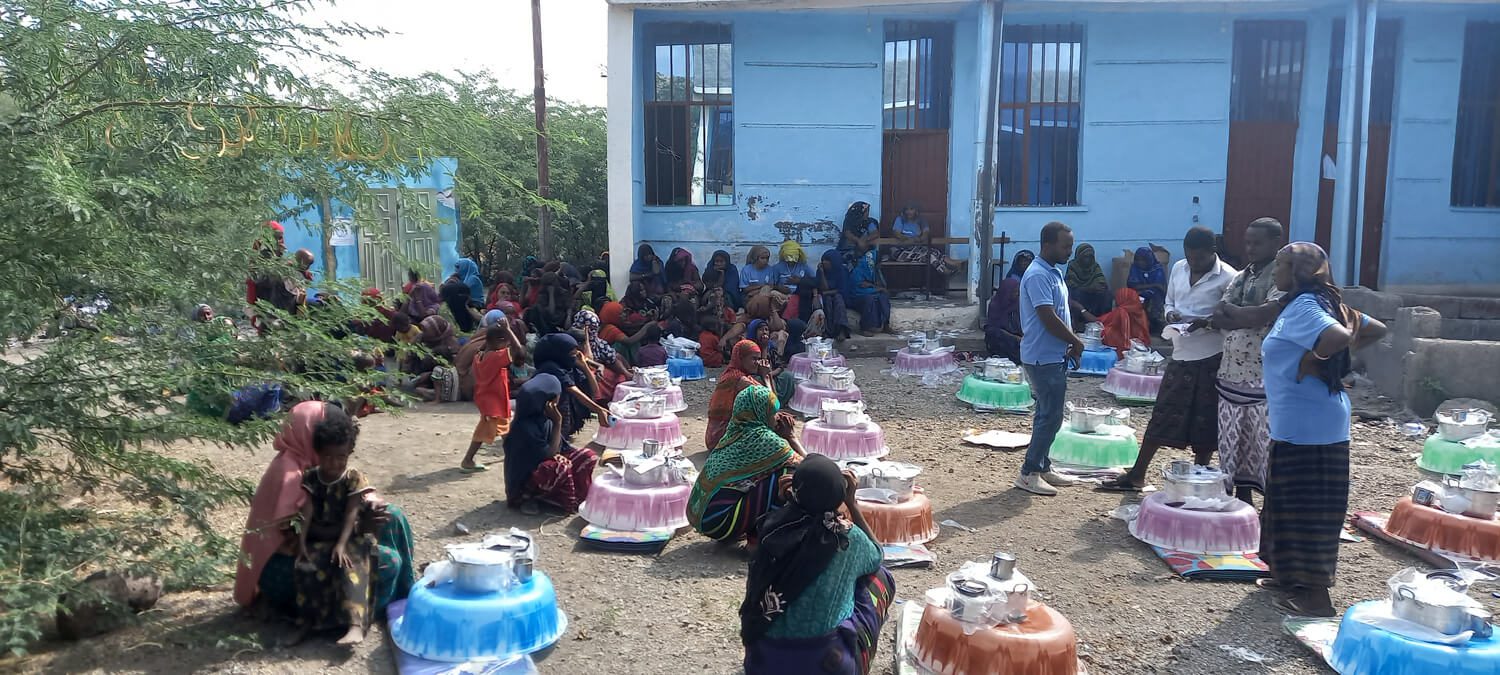
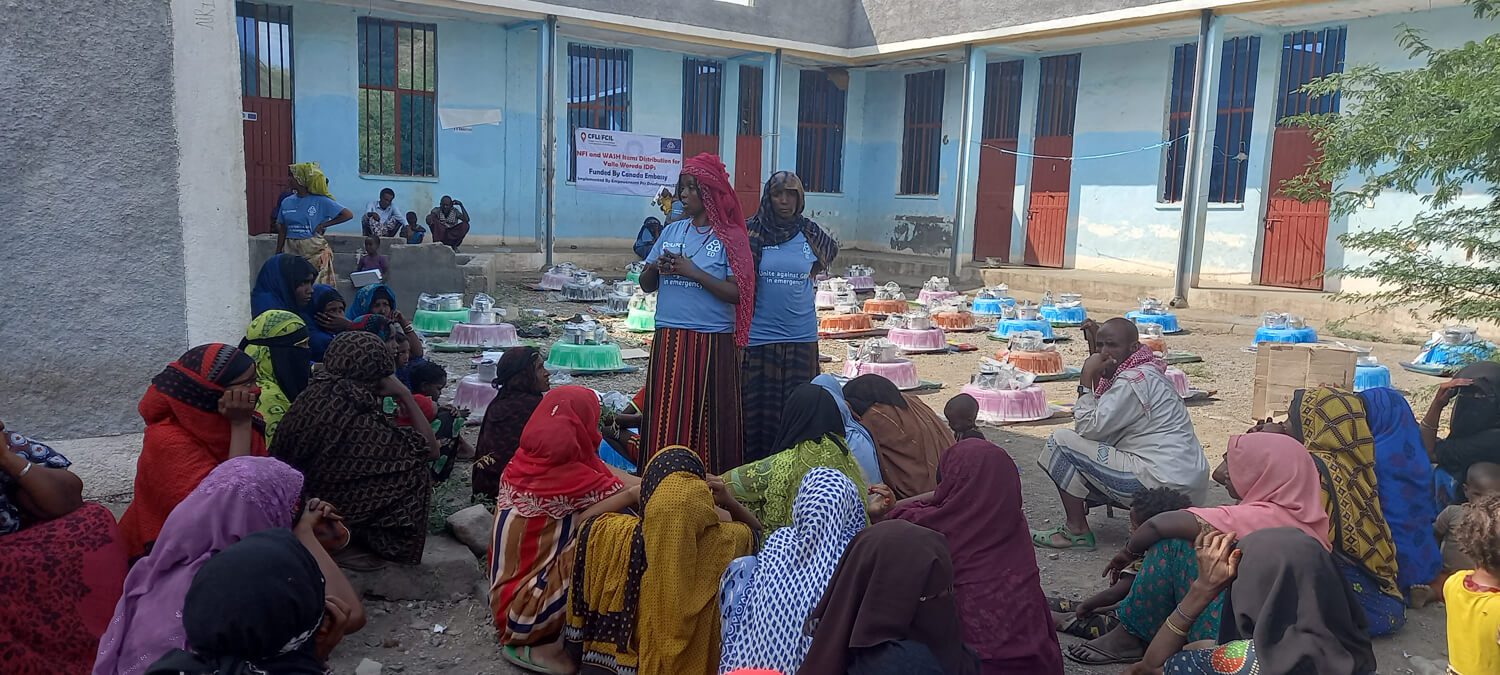
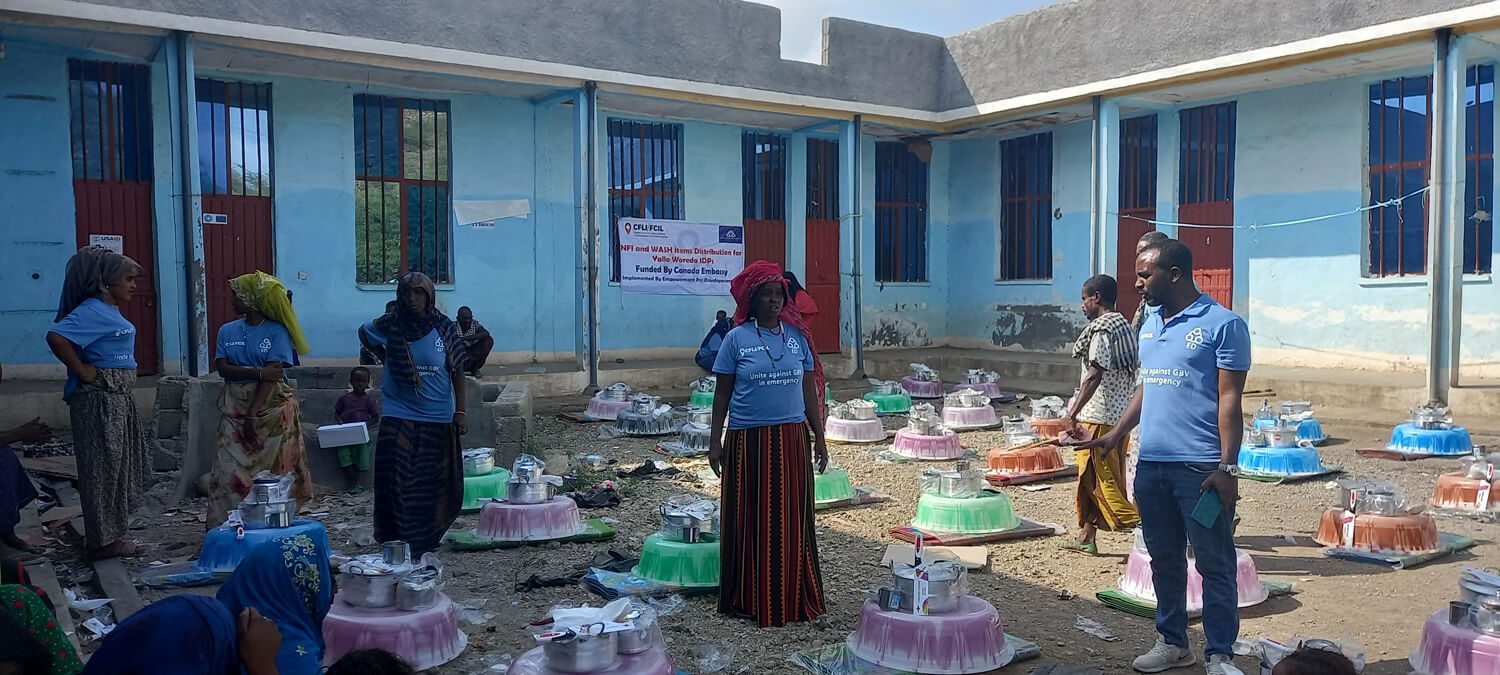
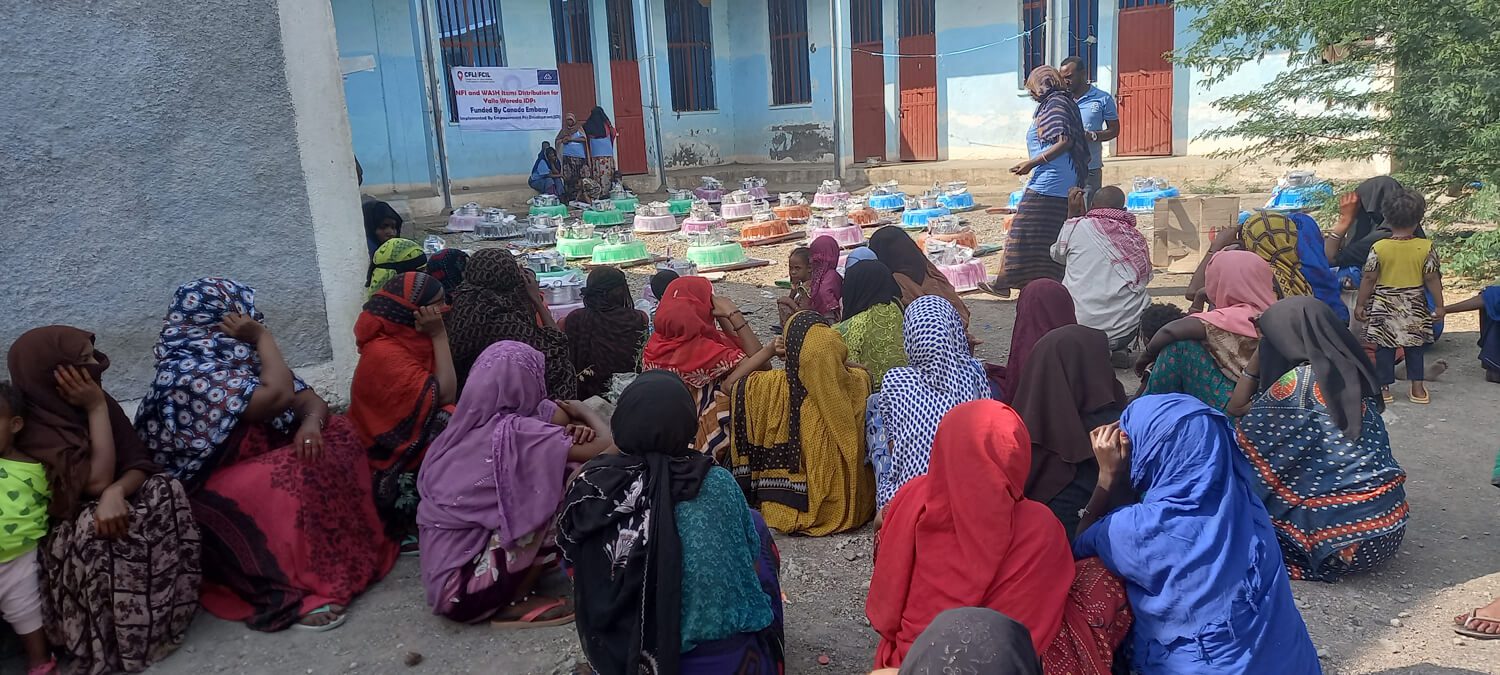
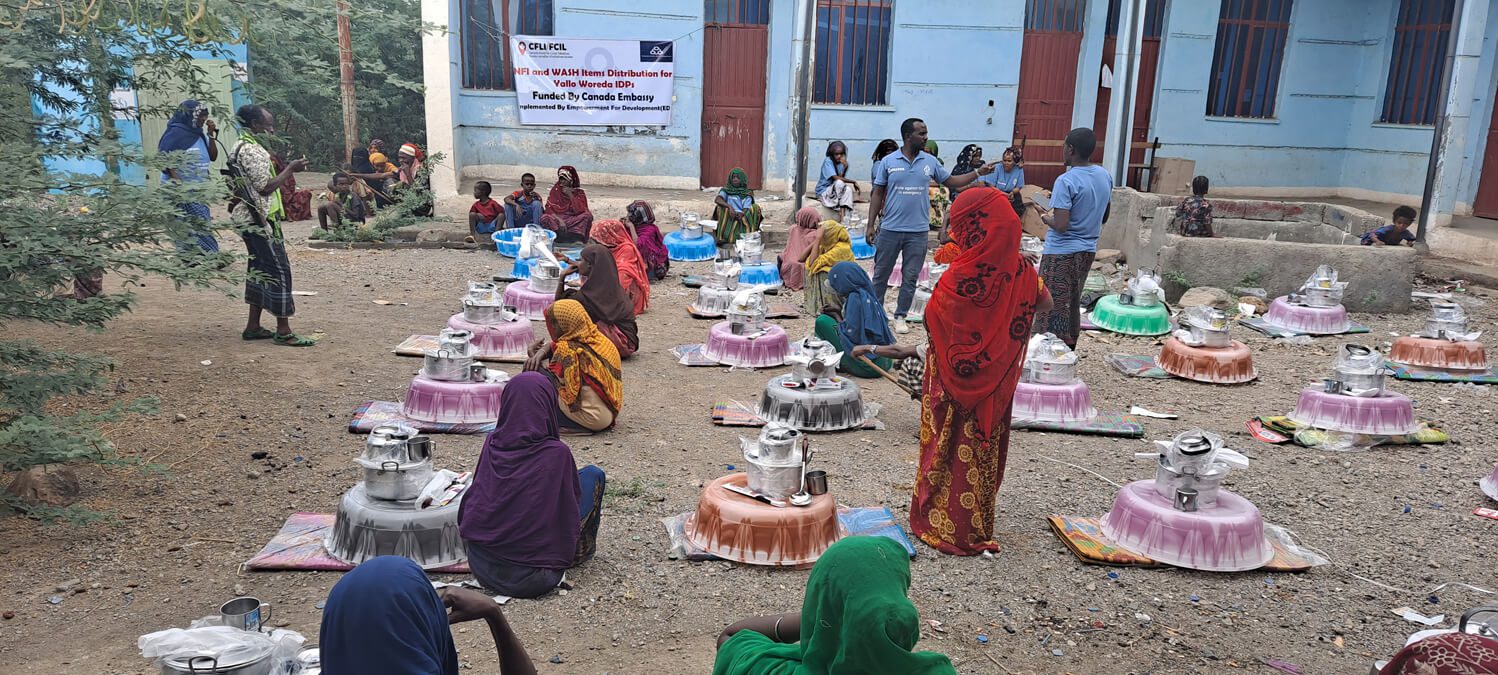
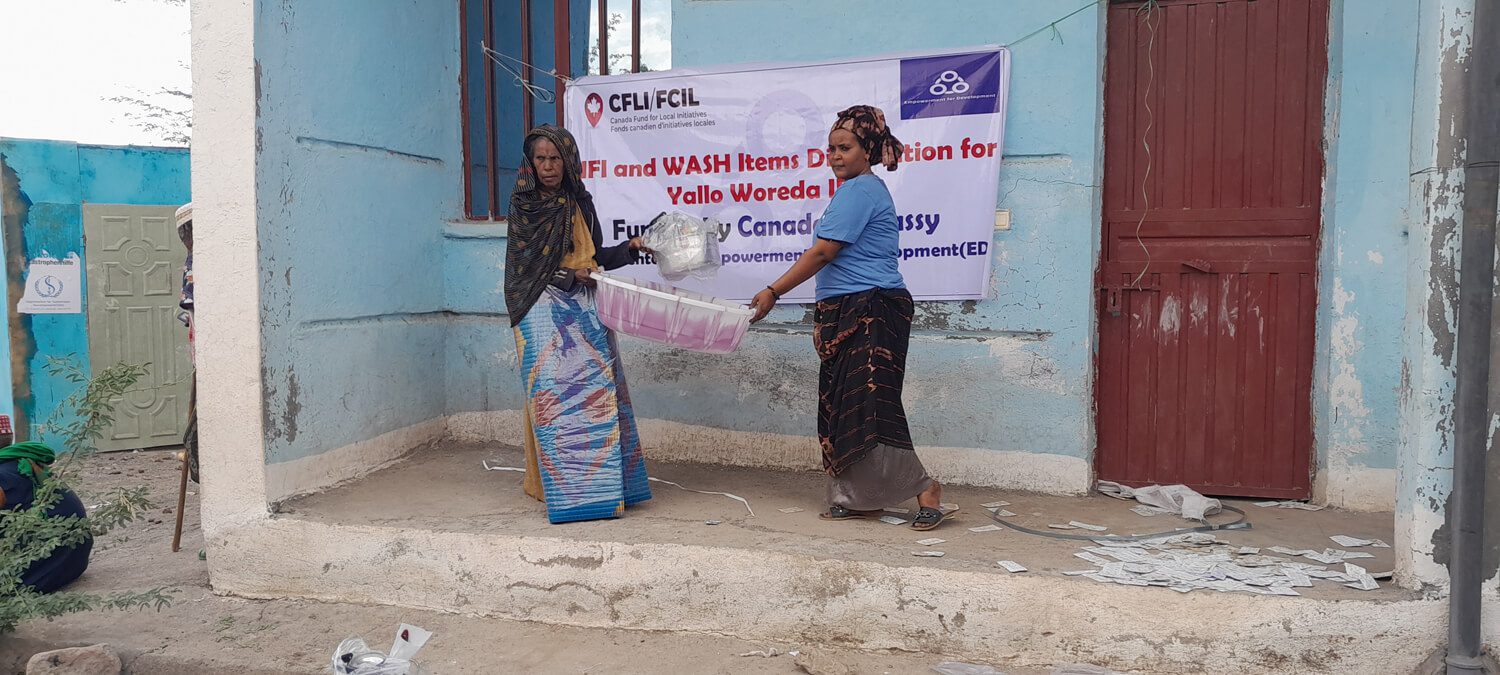
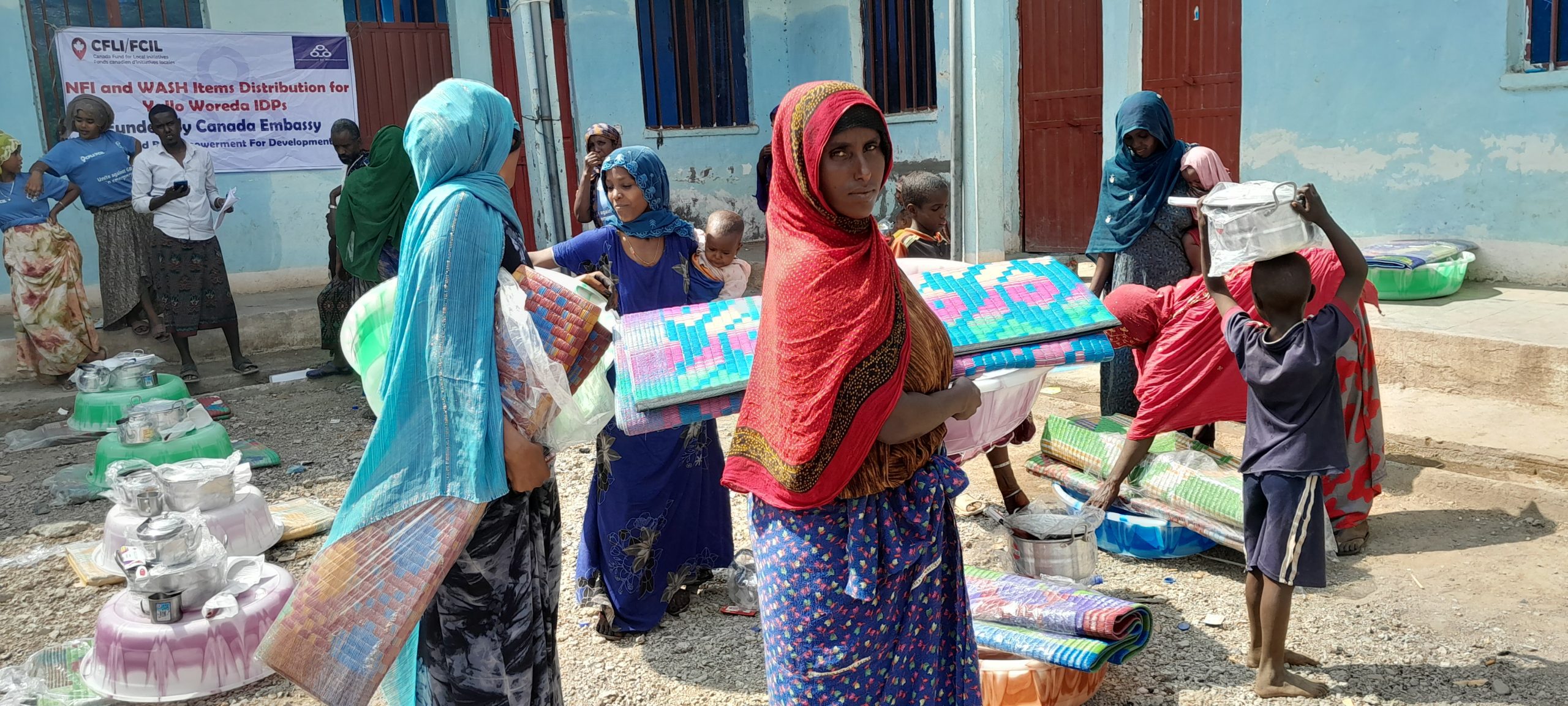
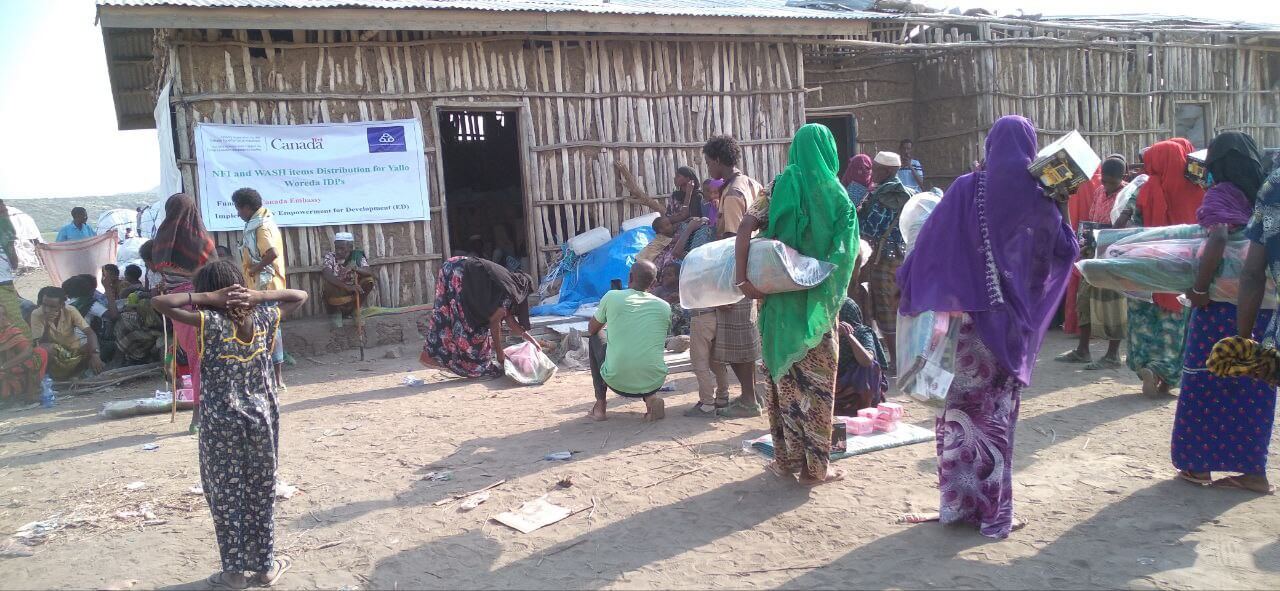
Empowerment for Development (ED) has a strong track record of delivering effective humanitarian assistance in emergency contexts, particularly in the Afar Regional State. We have implemented critical interventions in YalloWoreda and the Gore’e IDP site, providing life-saving support to internally displaced persons (IDPs) and host communities. Our efforts included the distribution of WASH items, non-food items (NFIs), and nutritious food, with a particular focus on addressing the needs of vulnerable groups such as women and children. For instance, in Yangudi IDP site, we provided targeted nutritional support to women and children to combat malnutrition and improve overall health outcomes. Additionally, our humanitarian response integrated protection services, including gender-based violence (GBV) prevention and response, ensuring that the specific needs of women and girls were addressed even in the most challenging circumstances. These initiatives demonstrate our ability to deliver comprehensive, timely, and context-sensitive humanitarian assistance, contributing to the resilience and well-being of communities affected by conflict and displacement.
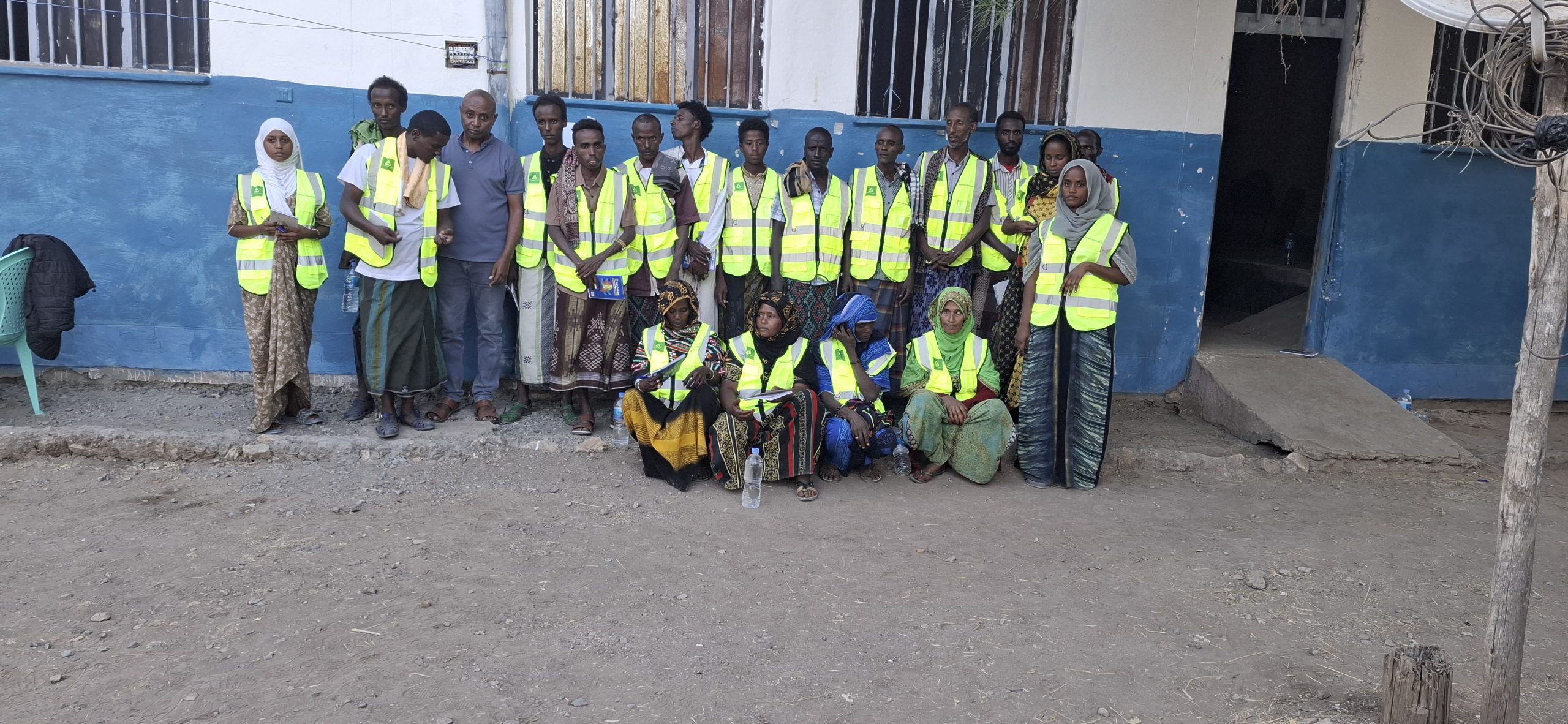
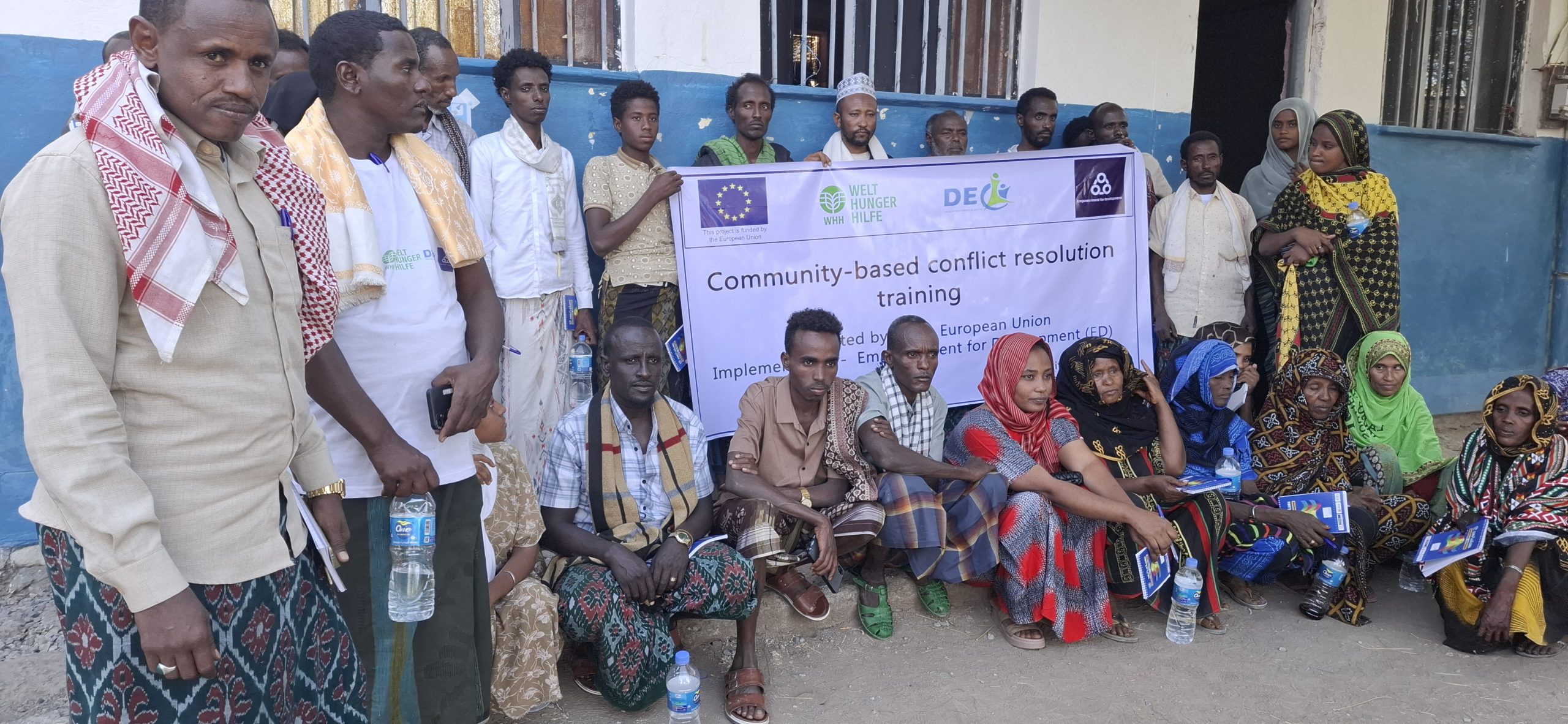
Our organization has extensive experience in implementing projects aimed at improving the well-being and protection of conflict-affected communities. With the support from European Union (EU) throughDeutsche Welthungerhilfe /WHH/ _ Development Expertise Center (DEC)we have successfully designed and executing project that address the root causes of conflict, promote social cohesion, and strengthen traditional support mechanisms. For instance, we have enhanced existing community structures by training local leaders and community members in conflict resolution and peacebuilding techniques. These initiatives have fostered dialogue, reduced tensions, and built trust among diverse groups, particularly in areas with a history of ethnic divisions. Additionally, we have organized workshops and community-led initiatives that celebrate diversity, inclusivity, and respect for different identities, beliefs, and cultures. These efforts have not only strengthened social cohesion but also empowered communities to take ownership of their development and peacebuilding processes.
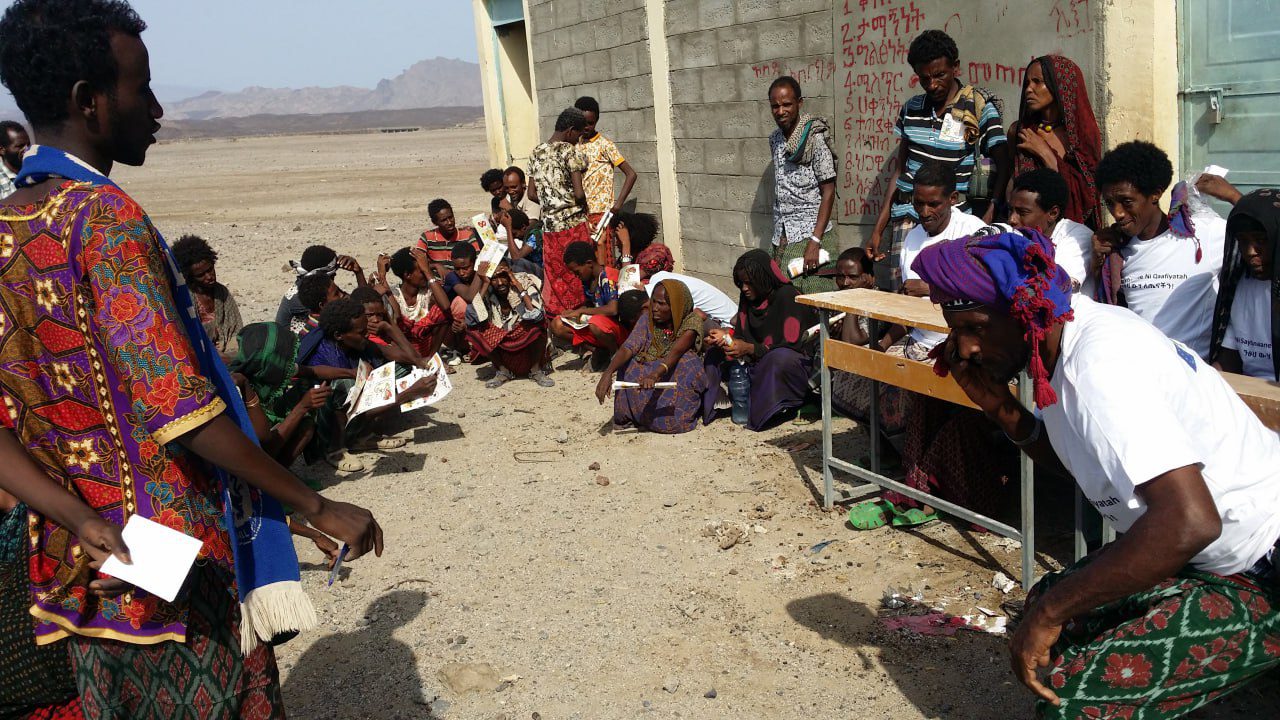
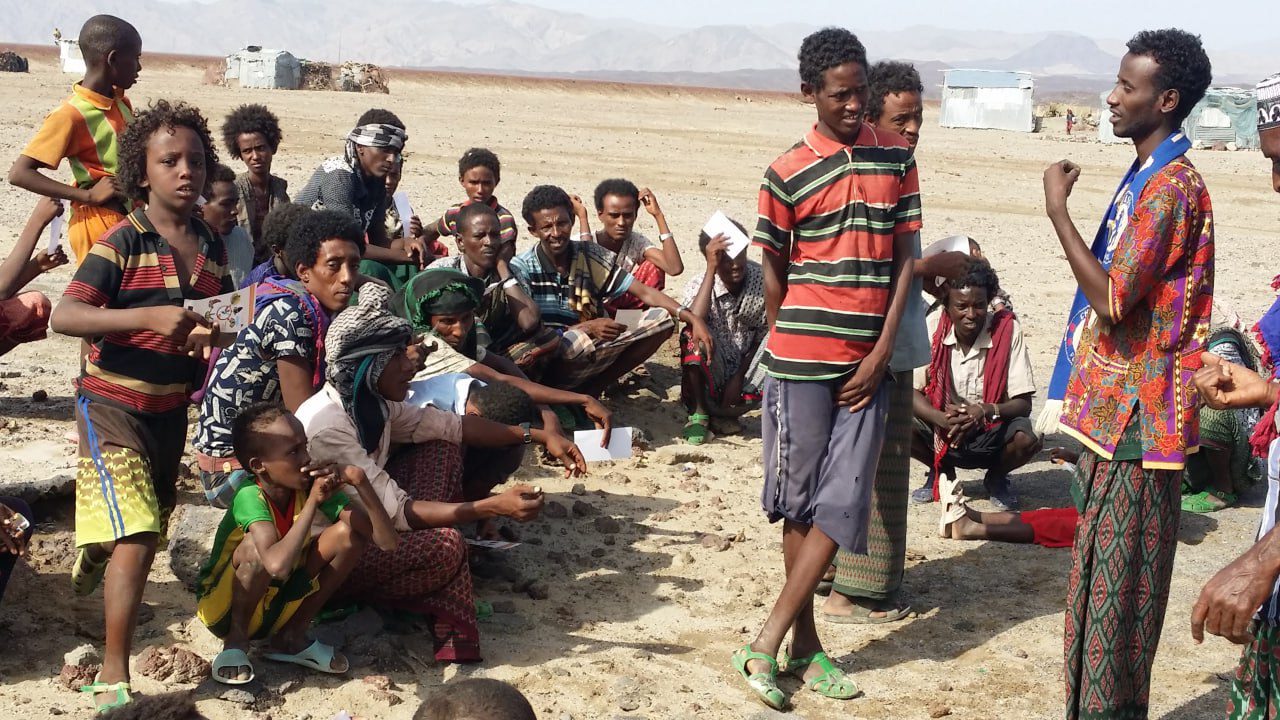
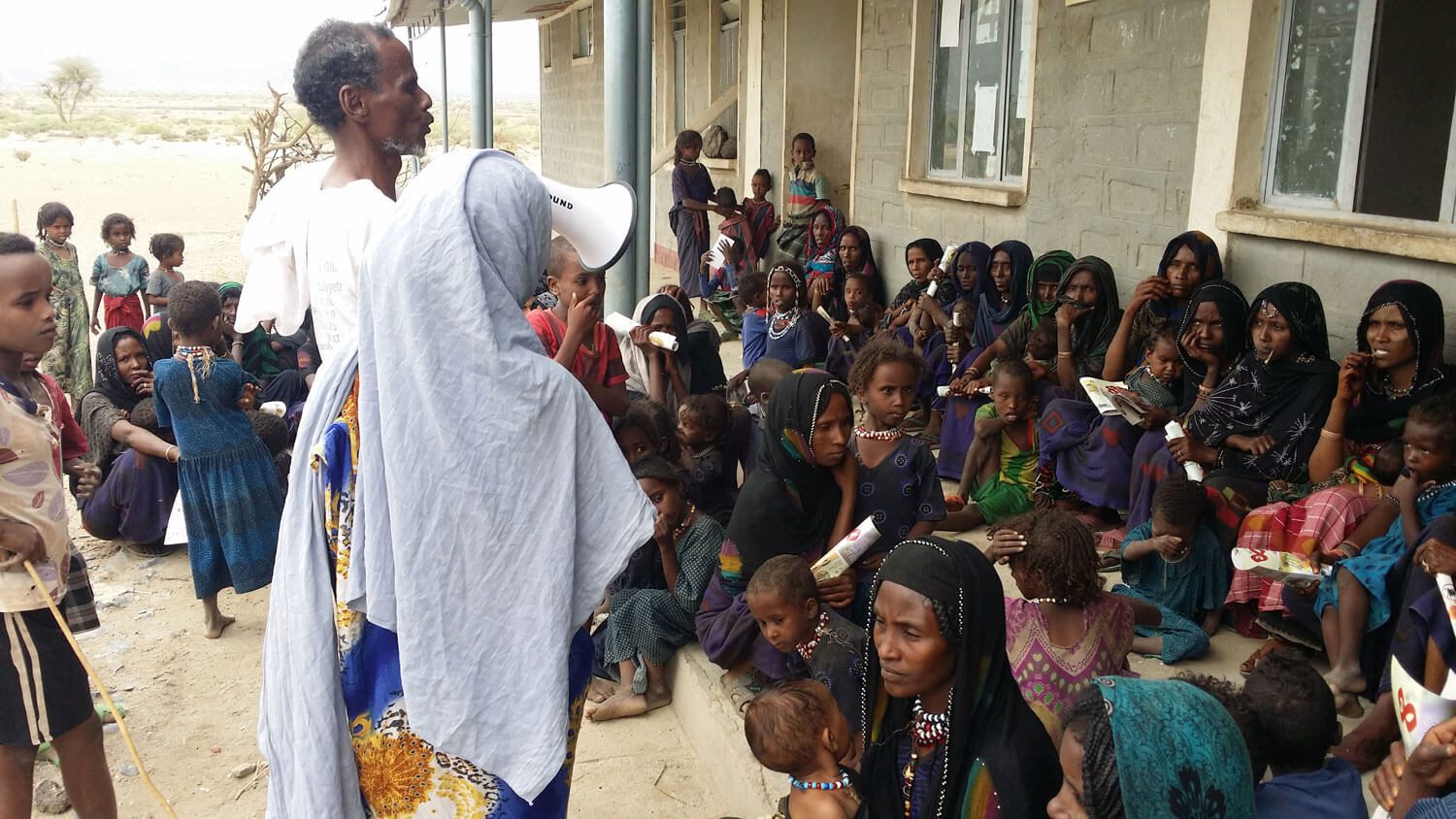
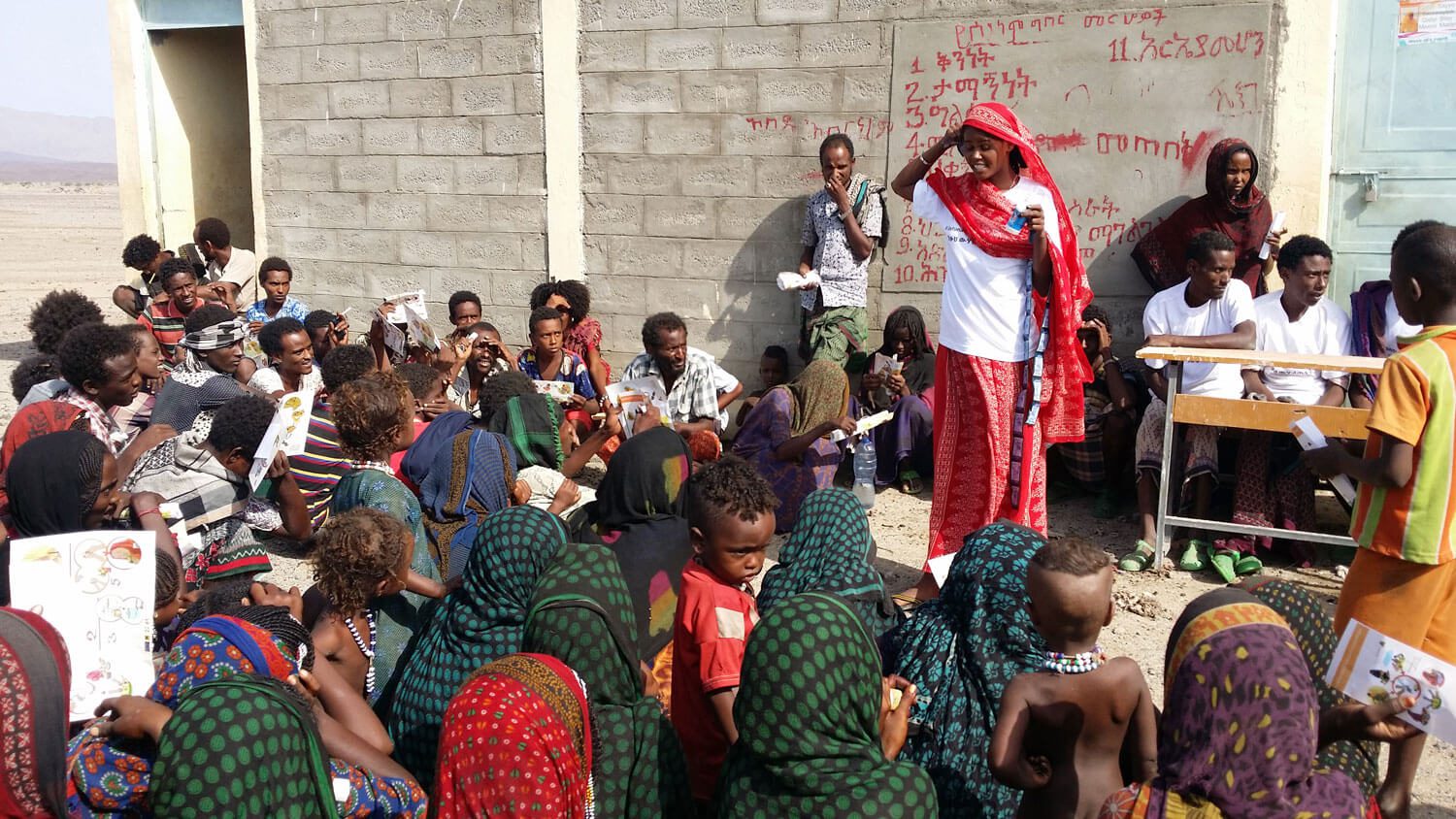
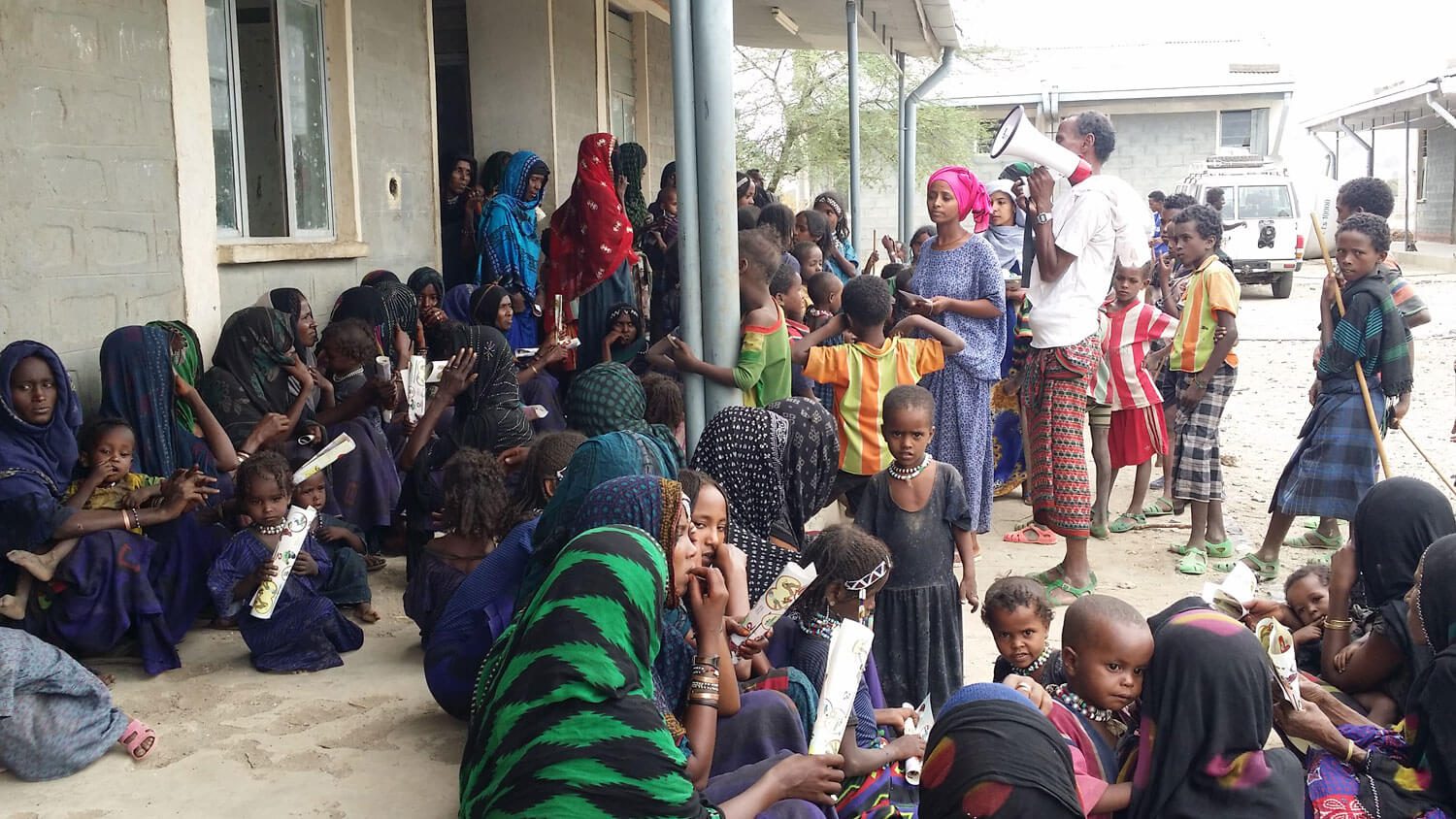
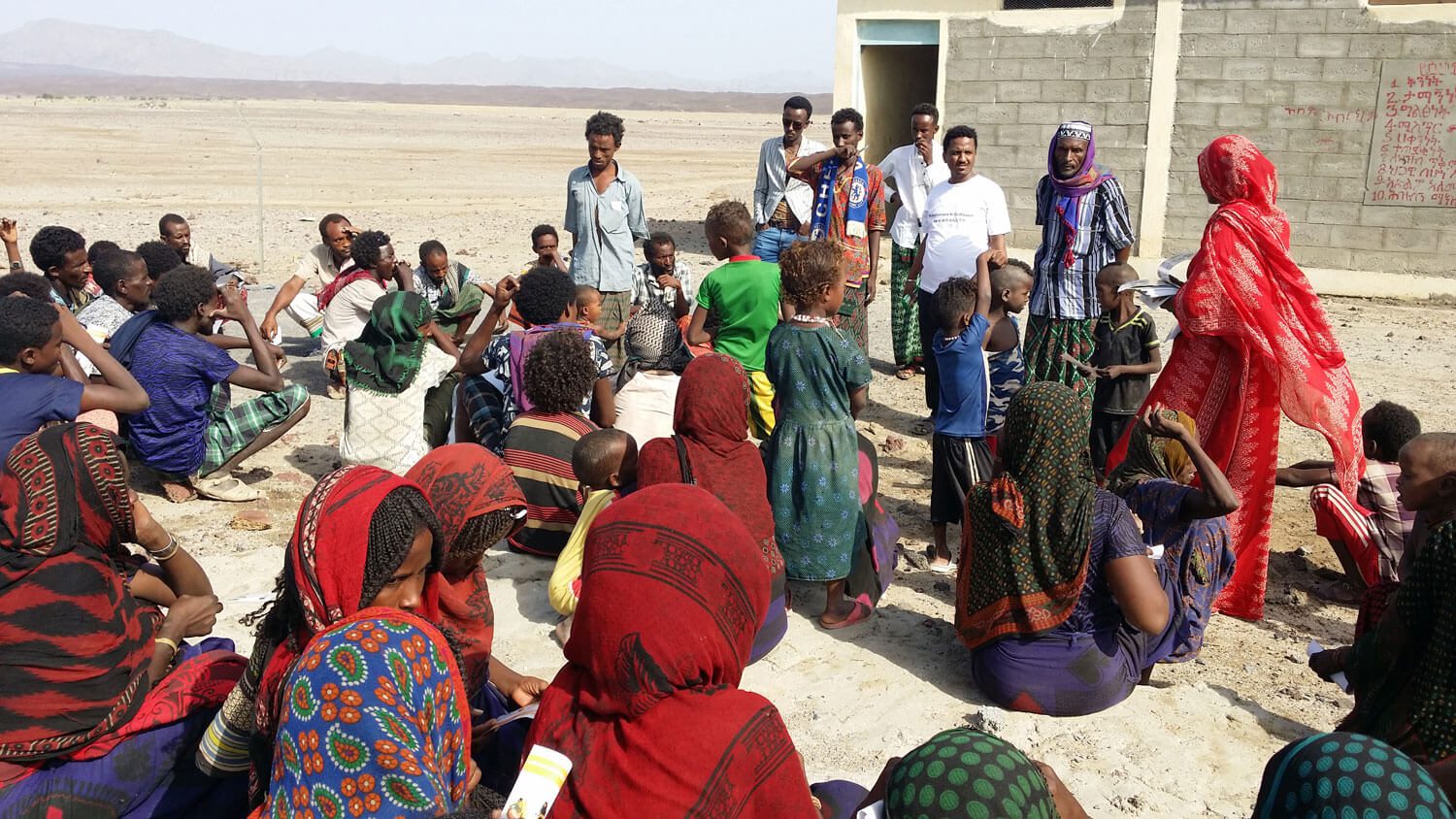
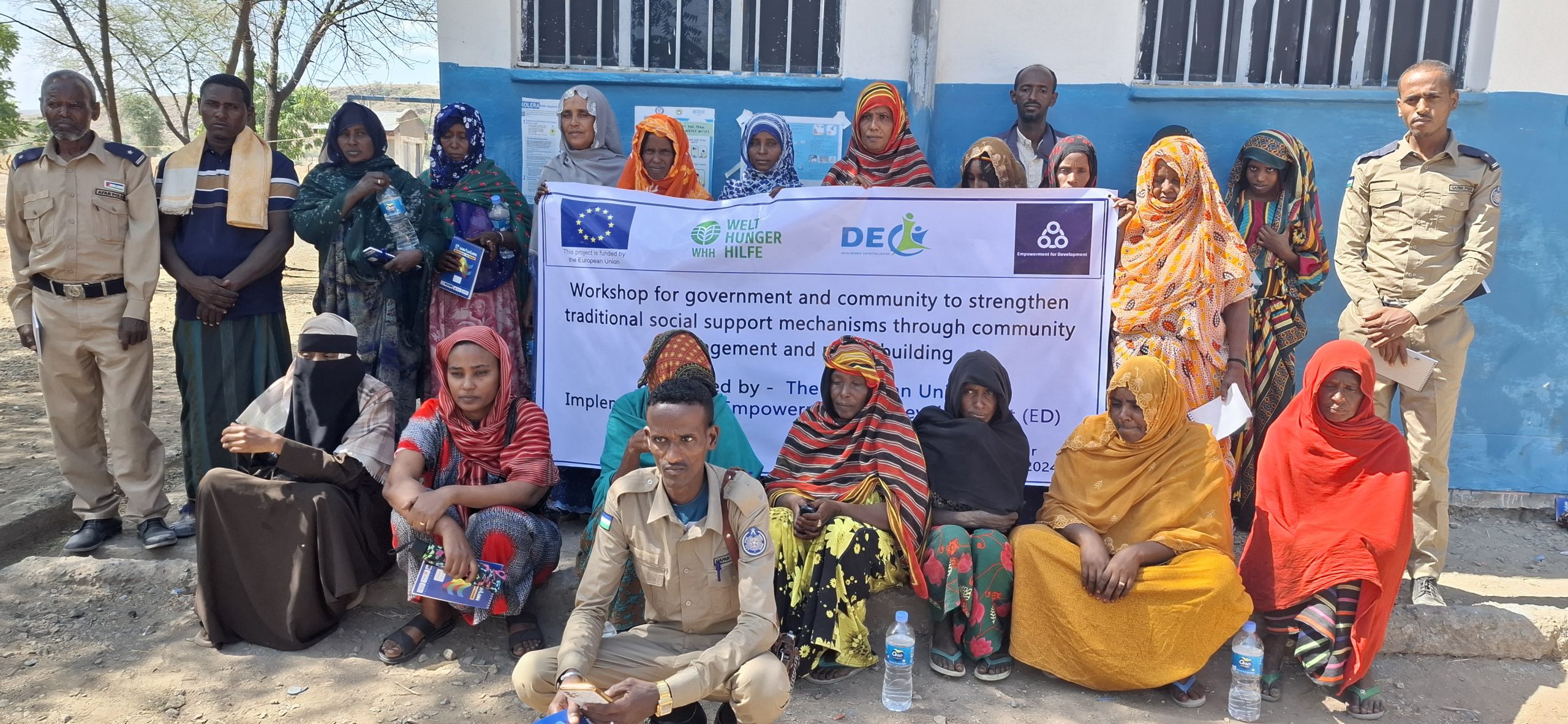
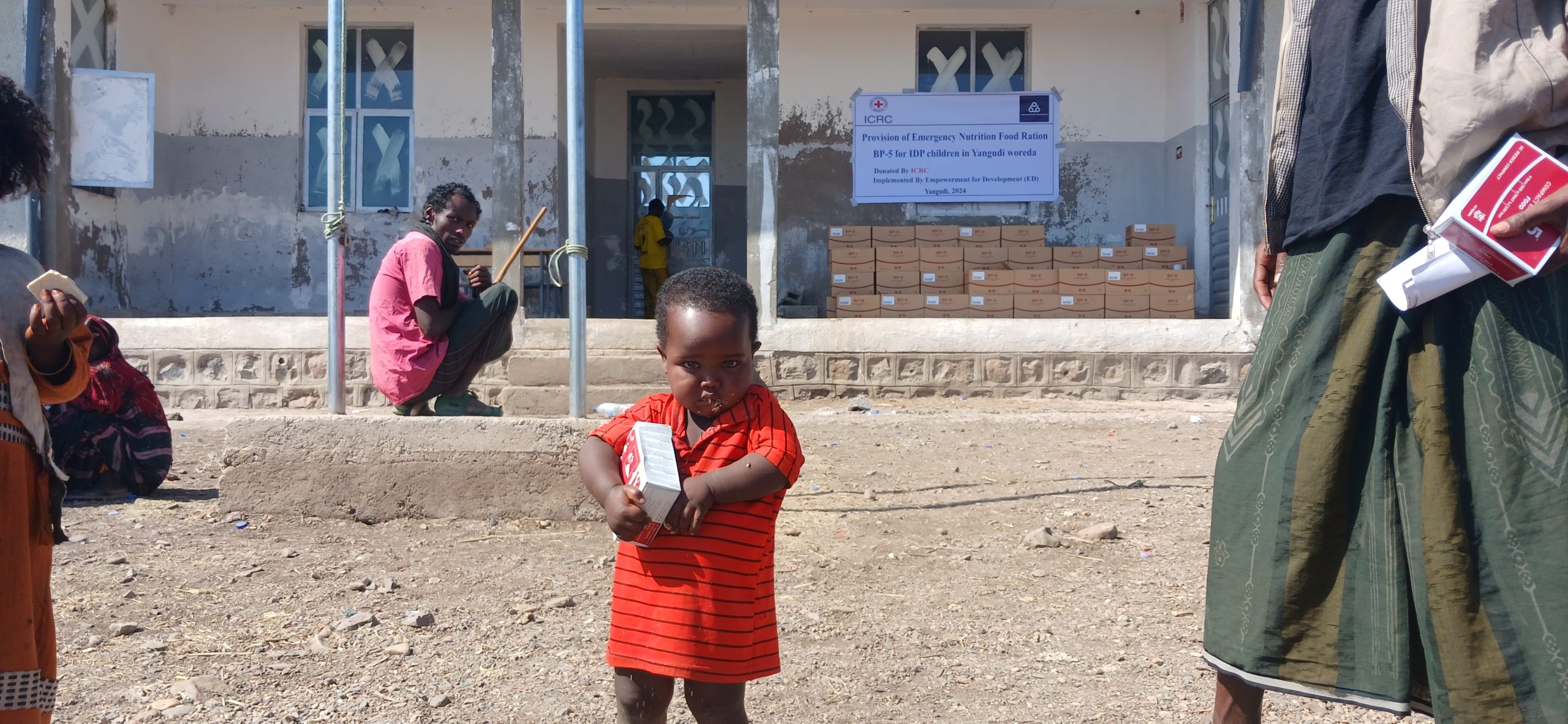
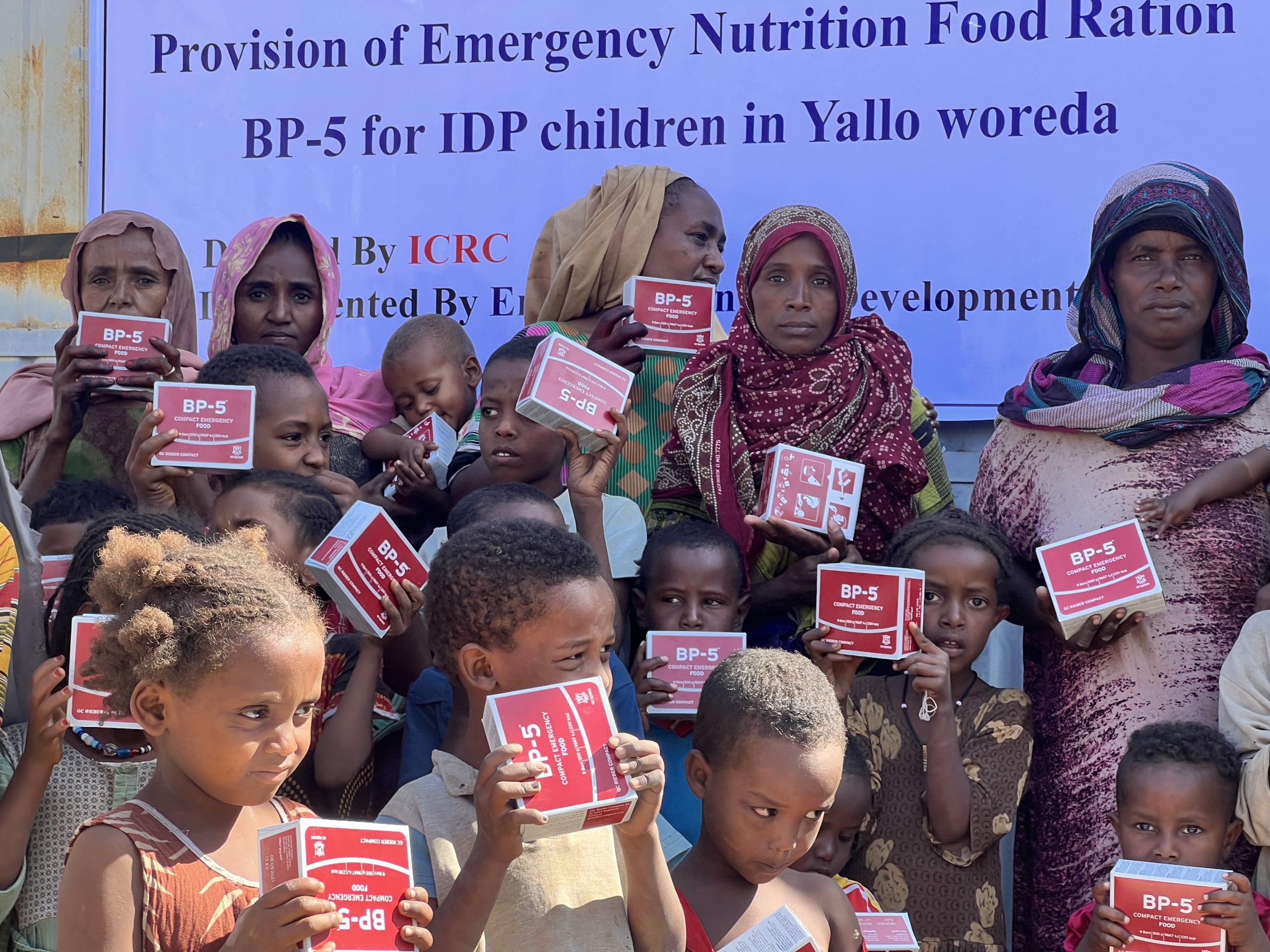
Empowerment for Development (ED) has significant experience in addressing malnutrition and improving nutrition outcomes, particularly in emergency and conflict-affected settings. Through our project titled *”Provision of Emergency Food Ration BP-5 for Malnourished Children in YangudiWoreda IDP Site and YalloWoreda,”* we provided critical nutritional support to vulnerable children in internally displaced persons (IDP) camps and host communities. By distributing BP-5 emergency food rations, we directly addressed acute malnutrition, ensuring that children received the essential nutrients needed for their growth and recovery. In addition to direct food assistance, we conducted trainings and awareness campaigns for communities, focusing on proper nutrition practices, breastfeeding, and the importance of balanced diets. These efforts not only improved the immediate health status of malnourished children but also empowered caregivers with the knowledge and skills to sustain long-term nutritional well-being. Our work in nutrition demonstrates our commitment to addressing both the immediate and underlying causes of malnutrition, particularly in humanitarian contexts where access to food and health services is severely limited.
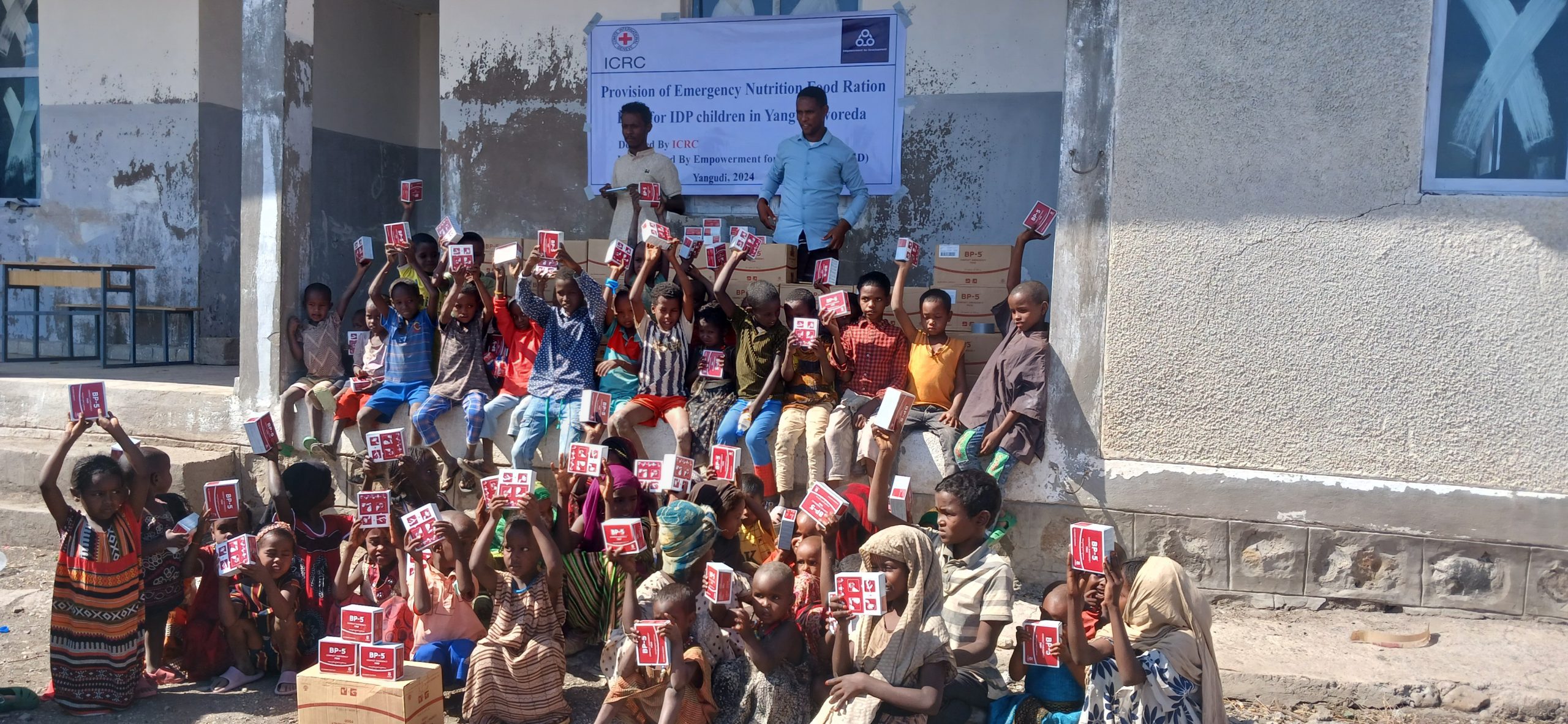
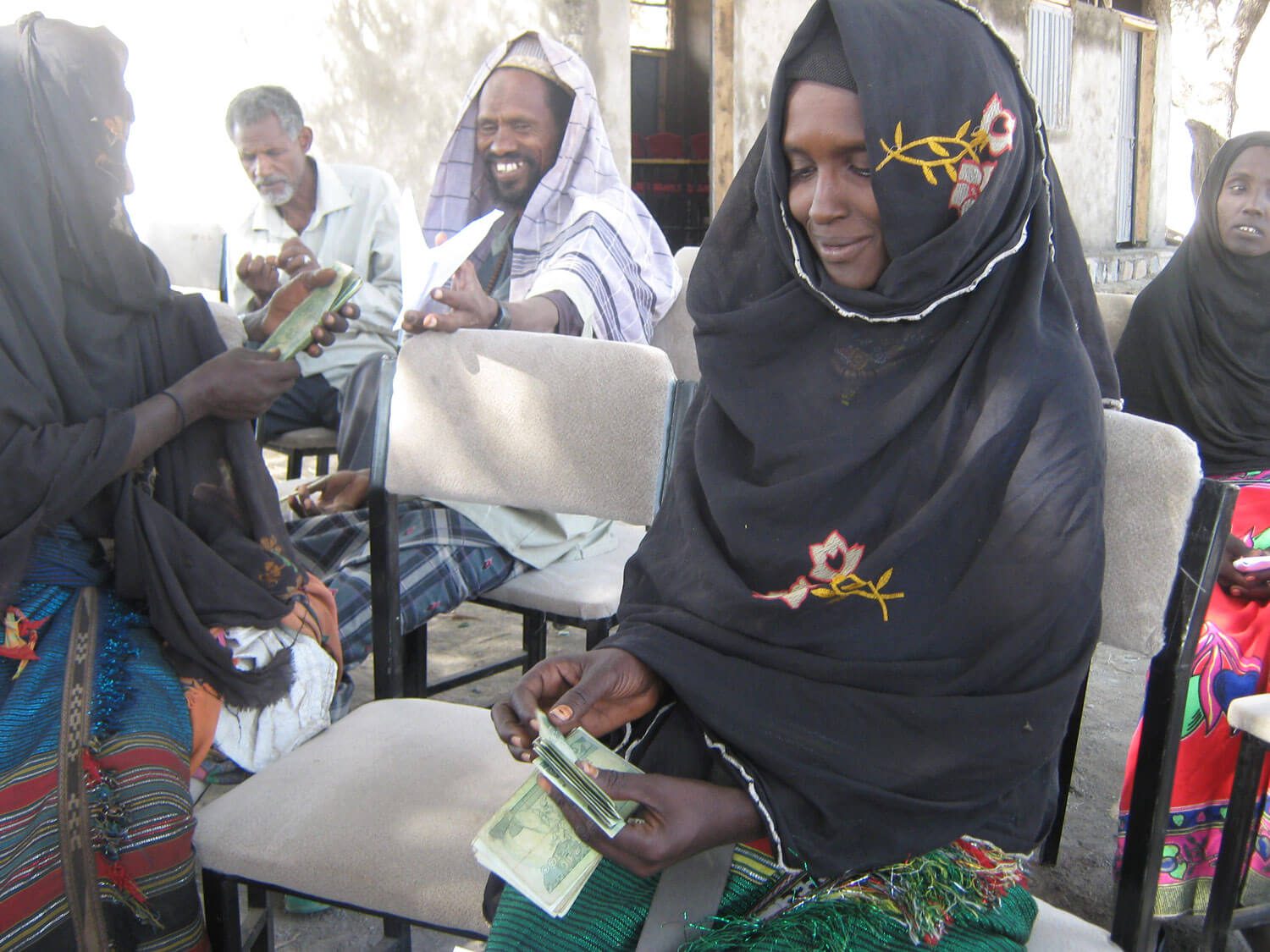
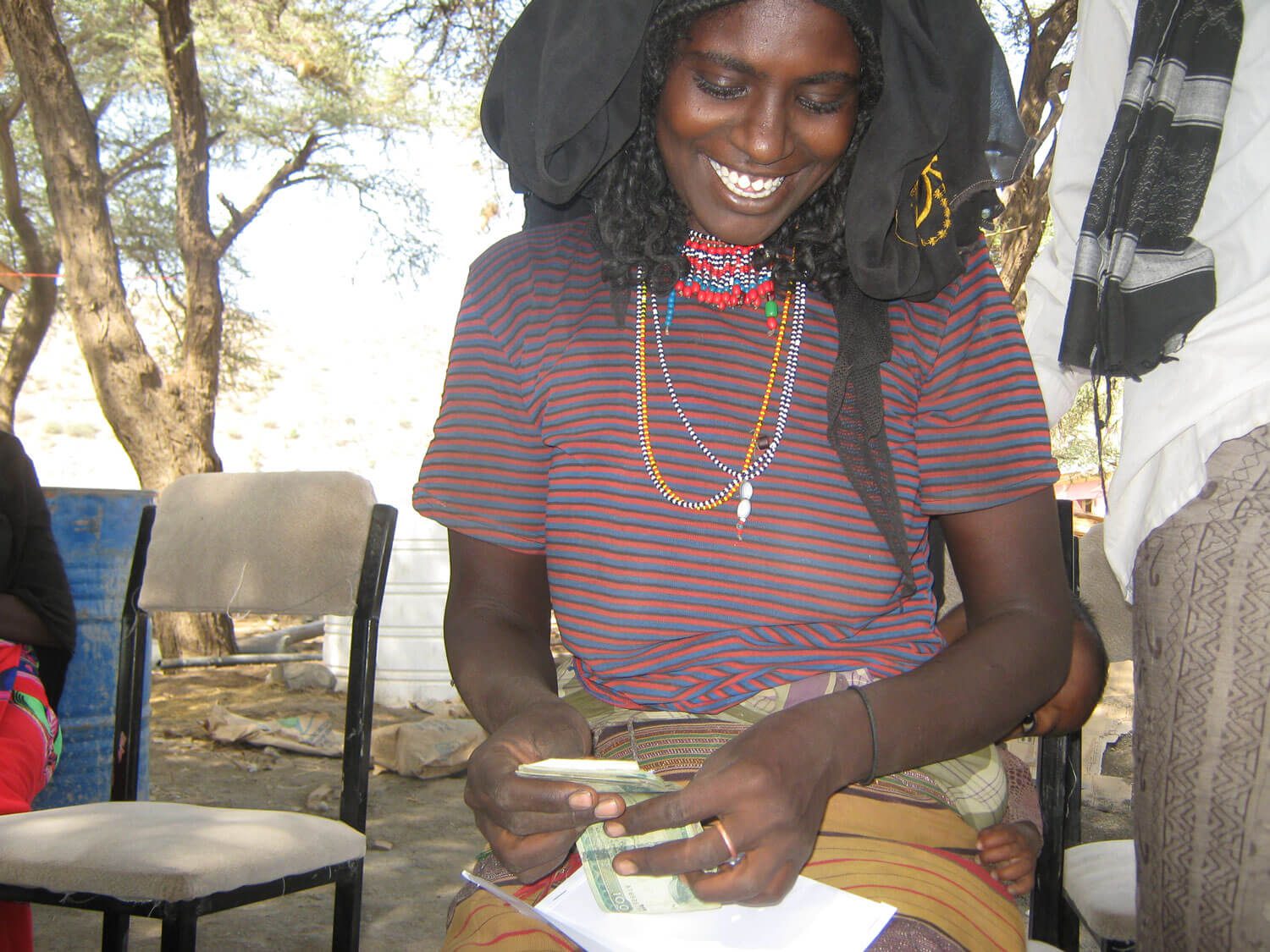
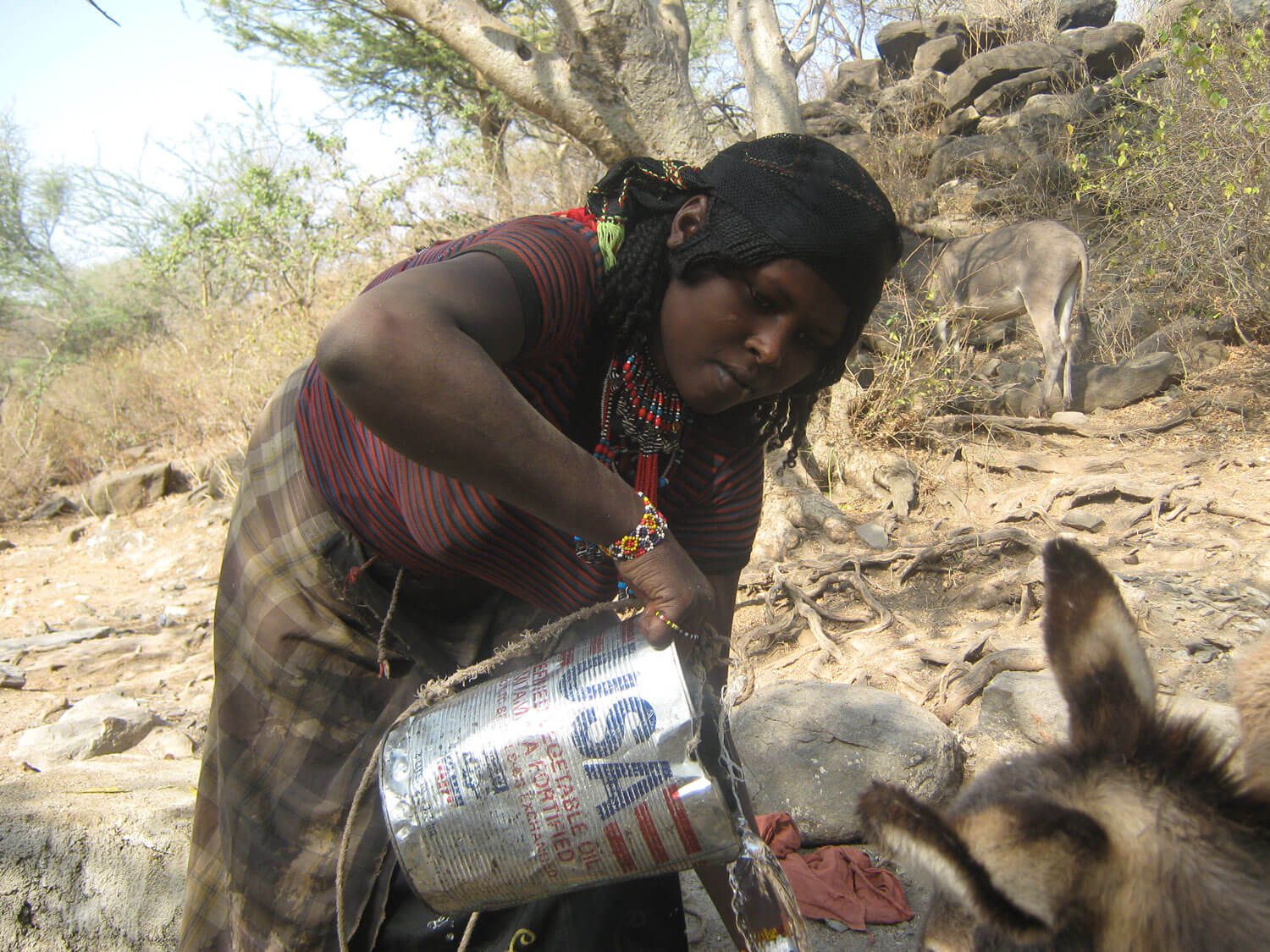
Empowerment for Development (ED) has experience in implementing livelihood and economic empowerment programs that address the needs of communities affected by conflict, displacement, and environmental challenges. Through initiatives we have equipped individuals with practical skills in modern agricultural practices, water resource management, and small-scale livestock rearing. By training communities in drought-resistant crop cultivation, water-efficient irrigation systems, and improved livestock management, we have helped them adapt to arid conditions and achieve sustainable food production and income generation. Our programs also integrate gender-sensitive and inclusive approaches, ensuring that women, girls, and individuals with disabilities are actively involved and benefit from economic opportunities. For example, we have provided tailored training sessions for female-headed households and ED volunteers, empowering them to participate in decision-making processes and income-generating activities. Additionally, we have conducted community awareness sessions on food security, livelihood resilience, and gender inclusion, fostering a more equitable and sustainable economic environment. These efforts have not only enhanced the economic empowerment of marginalized groups but have also contributed to the protection and resilience of conflict-affected communities, demonstrating our commitment to inclusive and sustainable development.